This comparison breaks down what each system is, how they perform in local conditions, and which homes they typically suit best.
What is a ducted air conditioning system?
A ducted system uses one central indoor unit (usually in the roof space) connected to ducts that deliver air through ceiling vents across multiple rooms. It’s designed to heat and cool large areas consistently, often with zoning to control different parts of the home.
They usually suit households that want a “set and forget” solution for most rooms, with minimal visible hardware indoors.
What is a split system air conditioner?
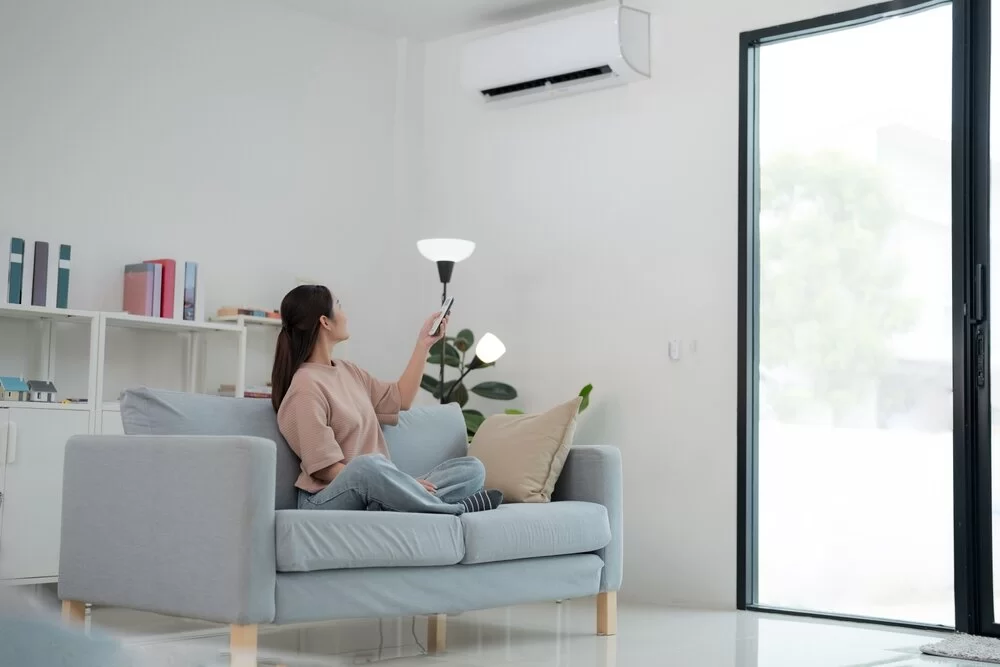
In the context of hills district air conditioning, a split system has an indoor wall-mounted unit connected to an outdoor unit, cooling or heating a single room or open zone. Multi-split options can run several indoor units from one outdoor unit, but each indoor unit still serves a specific area.
They usually suit homes that want to condition a few key rooms, or where installing ducts is difficult or not cost-effective.
Which system suits Hills District home layouts best?
Ducted generally suits larger family homes with multiple bedrooms, long hallways, and open-plan living because it can condition the whole house evenly. It’s often a good match for newer builds common across the Hills, especially where roof access supports duct runs.
Split systems tend to suit townhomes, smaller single-level homes, and houses where only a living area and a couple of bedrooms need regular cooling.
How do ducted and split systems compare on upfront cost?
Split systems usually cost less upfront because they require less labour and no duct network. A single split is typically the cheapest entry point, and they can add units over time as budgets allow.
Ducted is usually a higher upfront investment because it includes duct design, zoning (if included), ceiling registers, and longer installation time. For whole-house comfort, though, ducted can be more economical than installing many separate splits.

Which option is cheaper to run in day-to-day use?
Running costs depend more on usage habits than the system type. If they only need cooling in one or two rooms most of the time, splits can be cheaper to run because they avoid conditioning unused areas.
If they regularly cool or heat most rooms, ducted with well-set zoning and sensible temperature setpoints can be competitive. Poor zoning choices, leaky ducts, or running the entire home when only one room is needed will push costs up.
How important is zoning and room-by-room control?
Zoning is one of ducted’s biggest advantages when it’s set up properly. It lets them divide the home into areas like bedrooms, living, and rumpus, then run only the zones they need.
Splits naturally offer room-by-room control because each unit is independent. That can be ideal for households with different comfort preferences, shift workers, or families who use rooms at different times.
Which system performs better in Hills District summers and winters?
Both can handle hot summers and cool winters when correctly sized. Ducted can feel more even across the home because air is delivered to multiple rooms, reducing hot spots and temperature swings.
Splits can feel very powerful in the room they serve, which is great for fast relief in a living area or bedroom. The trade-off is that other rooms may remain warm unless they have their own unit.
What about noise levels inside and outside?
Ducted is usually quieter inside rooms because the noisy components aren’t on the wall in the living space. They’ll mostly hear airflow at the vents, which can be reduced with good duct design and correct fan settings.
Splits are often quiet, but the indoor unit is still in the room, so light fan noise is normal. Outdoor unit placement matters for both types, especially near bedrooms or neighbours.
How do they compare on looks and space?
Ducted wins on minimal visual impact because rooms only show ceiling vents and a controller. That’s often a deciding factor for owners who care about clean walls, window placement, and consistent interior styling.
Split systems are more visible because indoor units sit on walls. For some homes, that’s fine, but in design-focused spaces they may feel intrusive, especially if multiple rooms need units.
Which one is easier to install in existing Hills District homes?
Splits are typically easier to retrofit because they don’t require roof ducting, and many homes have straightforward outdoor unit locations. Installation can often be completed quickly with minimal ceiling work.
Ducted retrofits can be more complex if roof access is tight, ceiling cavities are limited, or the home has multiple levels. It’s still common, but it benefits from a careful site check to confirm duct routes, return air placement, and zoning layout.
What maintenance should they expect over time?
Both need filter cleaning and periodic professional servicing. With ducted, they’ll also want ducts checked for leaks, crushed sections, and airflow balance, because duct issues can quietly reduce comfort and efficiency.
With splits, they’ll want indoor coils and drain lines cleaned as needed, especially if units run heavily. Regular maintenance helps prevent odours, water leaks, and performance drop-offs.
Which system is better for resale and long-term value?
Ducted can add strong appeal for buyers who want whole-home comfort and a premium feel. In many larger Hills District homes, ducted is expected, and it can support resale presentation by removing the need for multiple wall units.
Split systems can still be a plus, especially when quality units are installed in the most-used rooms. They may be viewed as practical and cost-conscious, particularly in smaller properties.
How should they decide between ducted and split?
They should choose ducted if they want consistent comfort across most rooms, prefer a clean look, and plan to stay long enough to justify the higher upfront cost. It’s usually the best fit for larger households and homes where multiple rooms are used daily.
They should choose split systems if they mainly need cooling and heating in key zones, want a lower starting cost, or have a layout that makes ducting difficult. It’s also a smart choice for staged upgrades or targeted comfort.
What’s the simplest next step before they commit?
They should arrange an on-site measure and quote so the system can be sized to the home, not guessed from floor area alone. Correct sizing and smart placement matter more than brand names for comfort and running cost.
A good quote should clearly explain capacity, zoning (if ducted), proposed unit locations, and what’s included in installation so they can compare options confidently.
FAQs (Frequently Asked Questions)
What are the main differences between ducted and split system air conditioning in the Hills District?
Ducted systems use a central indoor unit connected to ducts delivering air through ceiling vents across multiple rooms, ideal for whole-home comfort with minimal visible hardware. Split systems consist of indoor wall-mounted units connected to an outdoor unit, cooling or heating individual rooms or zones, suitable for targeted cooling and flexible upgrades.
Which air conditioning system suits larger family homes in the Hills District best?
Ducted air conditioning generally suits larger family homes with multiple bedrooms, long hallways, and open-plan living spaces common in the Hills District. It provides even temperature control throughout the house and complements newer builds where roof access supports duct installation.
How do upfront costs compare between ducted and split system air conditioners?
Split systems usually have a lower upfront cost since they require less labor and no ductwork, making single units an affordable entry point with options to add more over time. Ducted systems involve higher initial investment due to duct design, zoning, ceiling registers, and longer installation but can be more economical for whole-house comfort in the long run.
What are the energy efficiency considerations when choosing between ducted and split systems?
Energy costs depend more on usage patterns than system type. Split systems can be cheaper to run when cooling one or two rooms regularly by avoiding conditioning unused areas. Ducted systems with well-designed zoning and sensible temperature settings can be competitive when cooling most rooms, but poor zoning or running all zones unnecessarily increases costs.
How important is zoning and room-by-room control in these air conditioning systems?
Zoning represents a key performance differentiator in ducted air conditioning systems when correctly designed and implemented, enabling segmentation of a property into independently controlled thermal zones such as sleeping quarters and living areas. This allows users to condition only occupied spaces, improving both comfort precision and energy efficiency. Split systems inherently provide granular room-by-room control due to their distributed unit architecture, making them particularly suitable for households with variable occupancy patterns, staggered usage schedules, or differing individual comfort requirements. For system design considerations, refer to air conditioning zoning strategies and room-level climate control optimization.
Which air conditioning system performs better during Hills District summers and winters?
Both ducted and split systems can effectively handle hot summers and cool winters when correctly sized. Ducted systems provide more even temperature distribution across multiple rooms, reducing hot spots and swings. Split systems deliver powerful cooling or heating in individual rooms quickly but may leave other areas unconditioned unless additional units are installed.