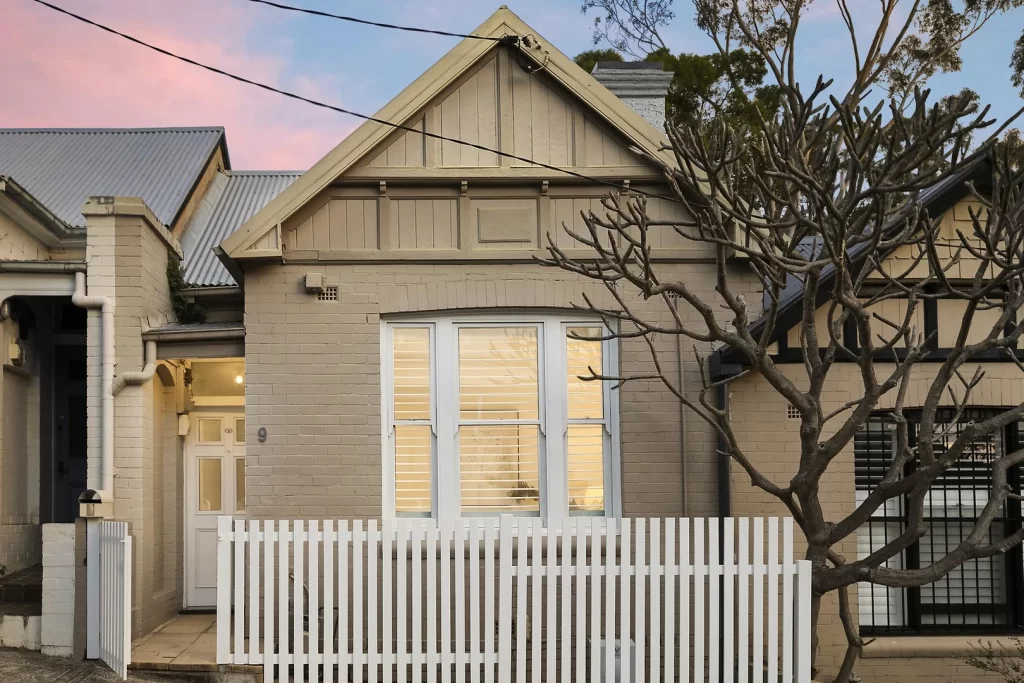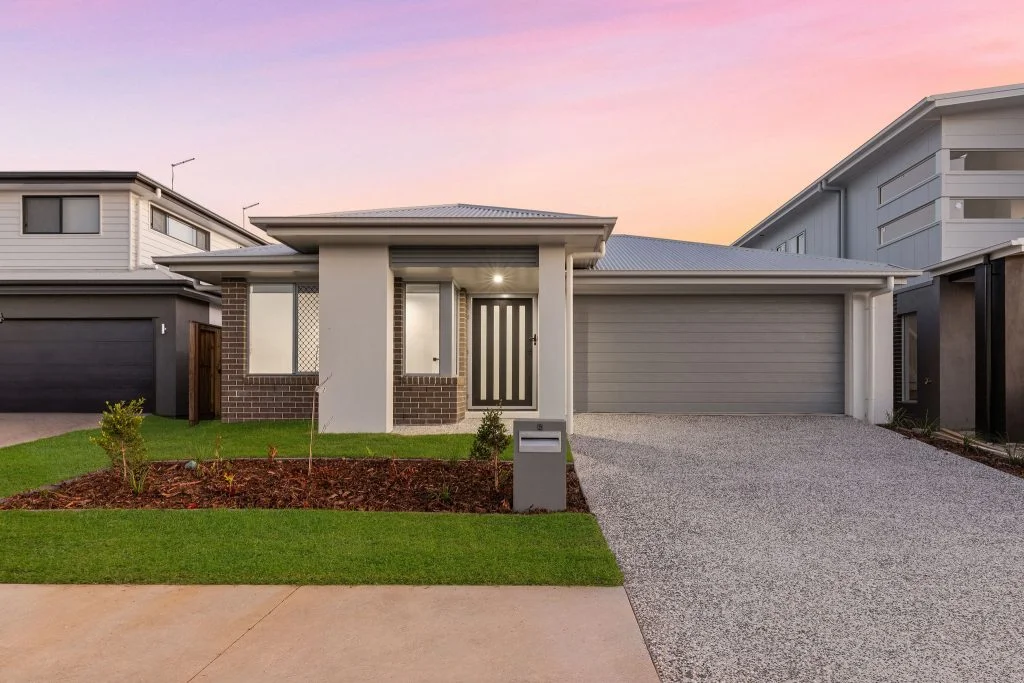
The Australian property landscape has shifted. As we navigate 2026, the traditional “buy and hold” strategy for single-dwelling family homes is facing a reckoning. With interest rates stabilising at a “new normal” and construction costs remaining elevated, the gap between rental income and mortgage serviceability has widened.
For savvy investors, the question is no longer just about location, but about utility. Enter the era of the high-performance asset. Dual occupancy investment has transitioned from a niche architectural choice to the primary vehicle for achieving positive cash flow. Whether it is a side-by-side duplex, a primary residence with a luxury secondary dwelling, or a dual-key apartment, these properties are “working harder” to satisfy a market defined by multigenerational living and a desperate need for affordable rental supply.
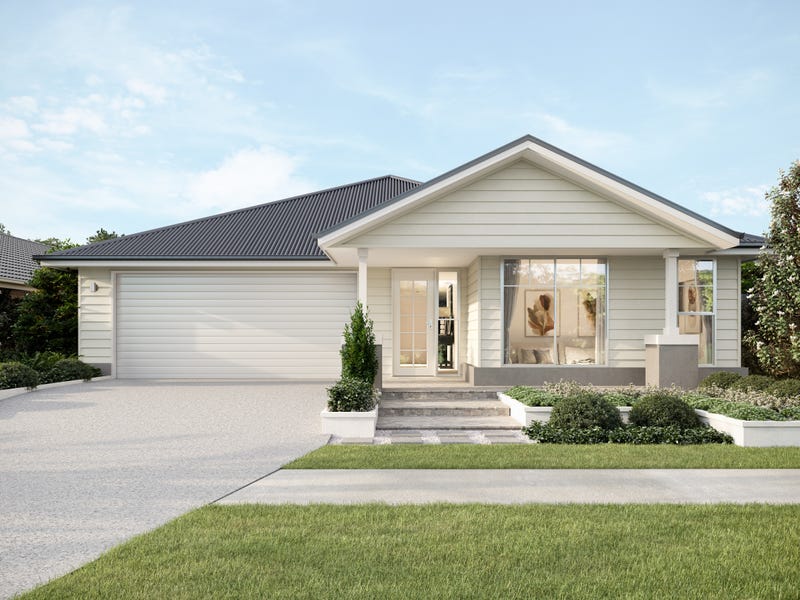
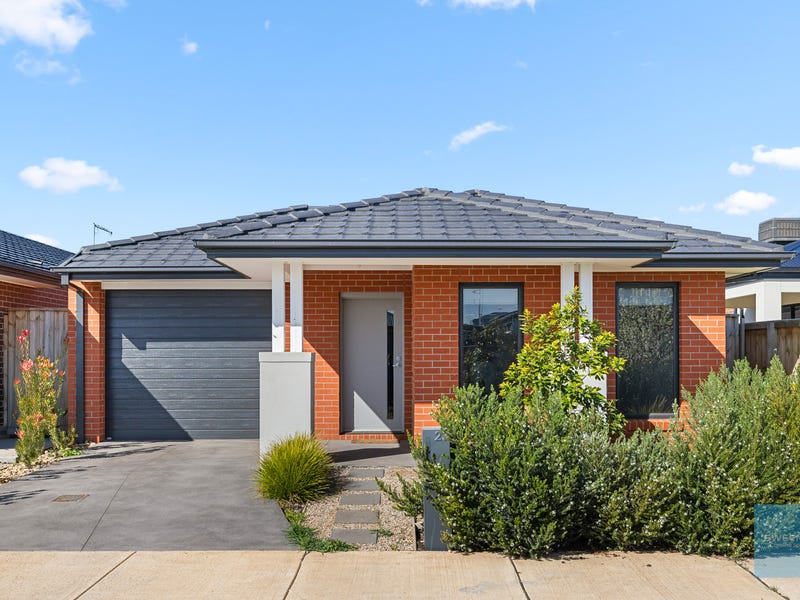
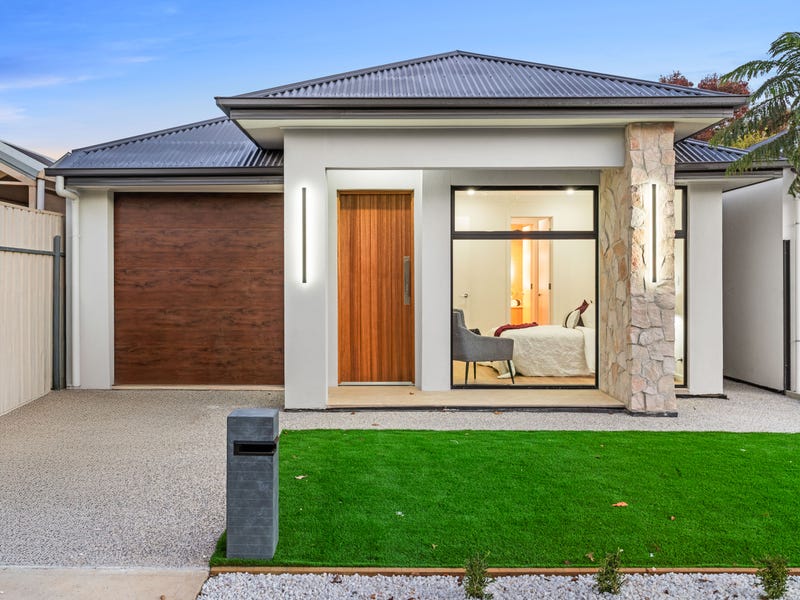
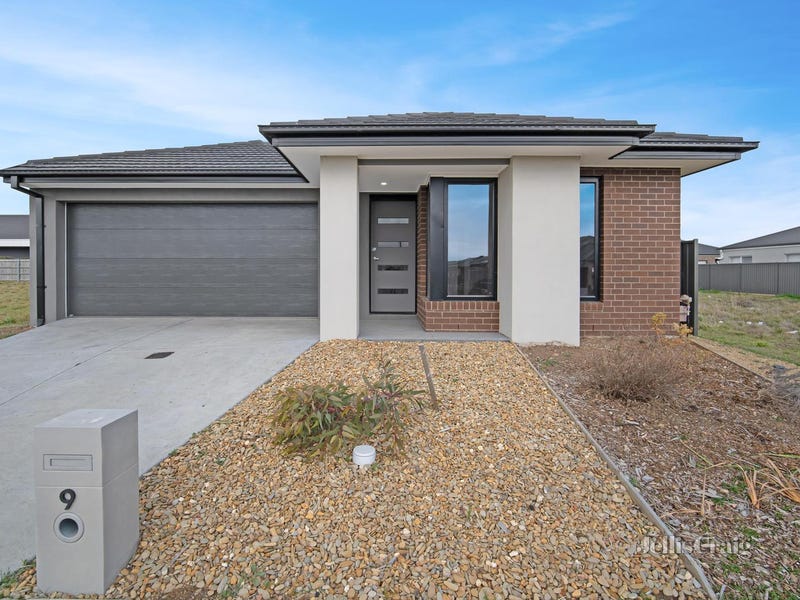
At its core, a dual occupancy investment involves a single parcel of land that contains two separate dwellings on one title. Unlike a standard granny flat—which often has restricted size and usage limitations—a true dual occupancy property provides two fully independent homes, each with its own kitchen, bathroom, laundry, and often, separate utility meters.
The Two Main Variations
Attached Dual Occupancy (Duplex): Two dwellings that share a common central wall. These are highly popular in urban infill areas where land is at a premium.
Detached Dual Occupancy: Two completely separate houses built on the same lot. This is frequently seen on larger suburban blocks or in regional growth corridors.
Why Dual Income Property is Dominating the 2026 Market
The 72% spike in search volume for “dual income property” this year isn’t a coincidence. It is driven by three inescapable economic forces:
1. The Yield-to-Mortgage Gap
Standard residential yields in Sydney and Melbourne have hovered around 3% to 3.5%. With 2026 mortgage rates significantly higher than the “emergency lows” of the early 2020s, single-income properties are often negatively geared. Dual occupancy properties, however, frequently deliver gross yields between 5.5% and 8%, effectively turning a monthly loss into a self-sustaining or profit-generating asset.
2. The Multigenerational Shift
According to recent ABS data, over 20% of Australians now live in multigenerational households. High housing costs have forced adult children to stay home longer, while an aging population has increased demand for “granny flat” style living that offers dignity and independence.
3. State-Led Zoning Reforms
In 2024 and 2025, several Australian states—most notably New South Wales with its Low and Mid-Rise Housing Policy—mandated that councils allow dual occupancies in R2 low-density zones. This has unlocked thousands of suburban blocks for redevelopment that were previously “locked” by restrictive local bylaws.
High Yield Suburbs 2026: Where the Numbers Work
If you are looking for the best “bang for your buck” in 2026, the focus has shifted toward regional hubs and outer-metropolitan growth corridors where the buy-in price allows for a superior yield-on-cost.
Region
Top Suburb
Median House Price (2026)
Projected Gross Yield (Dual Occ)
NSW (Western Sydney)
Werrington / St Marys
$1,050,000
5.8% – 6.2%
QLD (South East)
Plainland / Lowood
$620,000
6.5% – 7.5%
VIC (Regional)
Mildura / Ararat
$450,000
7.0% – 8.5%
WA (Perth South)
Armadale / Orelia
$630,000
6.0% – 7.2%
SA (Adelaide North)
Munno Para
$590,000
6.2% – 6.8%
Strategic Insight: The Western Sydney Airport corridor (St Marys to Bringelly) remains the “golden goose” for 2026. The infrastructure completion has driven massive tenant demand for flexible living spaces near the new employment hubs.
STCA and Zoning Checklist for 2026
Before you purchase a “dual-occ capable” block, you must navigate the Subject to Council Approval (STCA) process. While state reforms have eased the path, local constraints still apply.
2026 Development Standards Checklist:
Minimum Lot Size: While the NSW “non-refusal” standard is often 450m², some councils (like Ku-ring-gai) still fight for higher thresholds (up to 1,000m²). Always check the specific Local Environmental Plan (LEP).
Frontage Width: Most dual occupancy designs require a minimum frontage of 12m to 15m to allow for two separate driveways and adequate street presence.
Floor Space Ratio (FSR): Ensure your total build area doesn’t exceed the allowable FSR (typically 0.5:1 or 0.6:1 in residential zones).
Acoustic & Fire Separation: 2026 building codes are stricter regarding noise transfer. Investing in high-quality fire-rated party walls is non-negotiable for insurance and resale.
Step-by-Step: The Dual Occupancy Investment Framework
If you’re moving forward with a dual occupancy project, follow this professional roadmap:
Feasibility Audit: Don’t just look at the land; look at the easements. Sewer lines running through the middle of a backyard can kill a detached dual occupancy project instantly.
Finance Sourcing: 2026 lenders are more cautious. Ensure your broker specializes in “construction-to-permanent” loans that recognize both projected rental incomes.
Design for “Separation”: The highest-ranked properties in 2026 are those where neither tenant can see the other’s front door. Privacy equals premium rent.
The “Split” Decision: Determine early if you intend to subdivide (Strata or Torrens Title). Subdividing allows you to sell one dwelling to pay down the debt on the other, but it carries higher council fees and infrastructure contributions.
Common Mistakes to Avoid
Over-Capitalising on Luxury: In a yield-focused market, tenants want functional kitchens and solar panels (which reduce their bills), not Italian marble benchtops.
Ignoring Energy Efficiency: By 2026, energy ratings are a major driver of “tenant stickiness.” A dual occupancy with poor insulation or no solar will see higher turnover as utility costs rise.
Underestimating “Headworks” Charges: Many investors forget about the thousands of dollars in council “contributions” (Section 7.11 or 7.12) required to connect a second dwelling to the grid and water supply.
FAQ: Dual Occupancy Investing in 2026
Is a dual occupancy better than a granny flat?
Yes. While more expensive to build, a dual occupancy typically allows for larger floor plans (3+ bedrooms), has its own street address, and offers significantly higher capital growth and the potential for future subdivision.
Can I build a dual occupancy on any residential block?
No. While zoning (like R2 in NSW) may permit it, the physical constraints—such as slope, frontage, and existing trees—can still lead to a council refusal.
How much does it cost to build a dual occupancy in 2026?
Average construction costs for a mid-range duplex in Australia currently range from $650,000 to $900,000, depending on the state and finish quality.
Does dual occupancy increase property value?
Typically, yes. Adding a second dwelling can increase a property’s value by 30% to 50% above the initial purchase and build cost, though the “instant equity” is highest if the property is subdivided.
What is the most popular dual occupancy design right now?
The “Side-by-Side” duplex remains the gold standard for resale value, as both homes have street frontage and a more traditional “house” feel.
Conclusion: Balancing Yield and Lifestyle
In the 2026 Australian market, dual occupancy investment is no longer just an alternative; it is the most robust response to the current economic climate. By prioritizing a dual income property, you hedge against rising interest rates and tap into the undeniable demand for multigenerational and affordable housing.
Whether you are targeting high yield suburbs 2026 in regional Queensland or capital-city growth corridors, the key to success lies in professional due diligence and an “utility-first” mindset. The era of the single-income backyard is ending—it’s time to make your land work as hard as you do.
The key point is simple: emergencies move fast. The right response needs to move faster.
What counts as a pest control emergency?
Situations requiring 24/7 Pest Control support typically involve urgent risks to health, safety, food hygiene, or the structure of a building. A pest problem is an emergency when there is rapid activity, direct contact with people, or visible signs of damage that can worsen overnight.
Common examples include a wasp nest near a doorway, rats in a kitchen, bed bugs spreading through a home, or a sudden swarm of flies in a food business. If people are at risk, or a property is being actively damaged, it is urgent.
Why do pests become more dangerous outside normal working hours?
Night-time and weekends are when many pests are most active, and when issues are easiest to miss until they get worse. Rodents often forage after dark, cockroaches thrive in quiet kitchens, and wasps can become aggressive when disturbed.
There is also a practical risk: fewer staff on site, slower reporting, and limited access to suppliers. A small incident can spread into multiple rooms, contaminate stock, or trigger closures before anyone can intervene.
How does 24/7 response reduce health risks?
Fast attendance reduces exposure time. That matters for bites, allergic reactions, asthma triggers, and contamination from droppings, urine, shed skins, or insect parts.
In homes, it can protect children, older people, and pets who are more vulnerable. In workplaces, it can reduce the chance of staff handling hazards incorrectly, such as cleaning rodent droppings without proper precautions or using off-the-shelf chemicals in unsafe ways.
Why is rapid pest control critical for food businesses?
Food sites live and die by hygiene control. One sighting can lead to stock loss, failed audits, customer complaints, or regulatory action, especially if pests are active in prep areas.
A 24/7 service helps businesses act immediately, isolate affected zones, and start treatment before the next service period. That quick action also supports documentation, which is often essential for inspections and insurance claims.
What damage can spread overnight if no one responds?
Some pests cause “silent” damage that accelerates quickly. Rats and mice can chew wiring and insulation, creating fire risks. Wasps can expand nest activity in warm periods. Fleas and bed bugs can spread through soft furnishings fast, especially in multi-occupancy buildings.
Even when the pest is not destructive, the secondary costs can snowball: emergency cleaning, replacement of contaminated goods, blocked rooms, disrupted operations, and reputational harm.
How does 24/7 pest control help prevent panic decisions?
When people feel stuck, they often attempt DIY fixes that backfire. They may use the wrong product, apply it unsafely, or scatter pests into harder-to-reach areas.
Round-the-clock access to professionals means they can get calm instructions immediately, keep people away from risk areas, and avoid actions that make treatment longer and more expensive.
What should they do while waiting for an emergency pest technician?
They should prioritise safety and containment. If there is an immediate threat, such as aggressive wasps, they should keep people away, close doors, and avoid disturbing the area.
For rodents or insects in kitchens, they should isolate food, seal what they can, and avoid sweeping droppings or dusting contaminated areas. Photos and notes help too, as they can show entry points, droppings, or nesting signs that guide a faster fix.
How can they choose the right 24/7 pest control provider?
They should look for clear emergency call handling, transparent pricing, and technicians who can attend quickly with the right equipment. For businesses, evidence of compliant methods, treatment reports, and follow-up plans matters.
It also helps to check what “24/7” truly means. The best providers offer real out-of-hours attendance, not just a voicemail and a next-day visit.
Why does emergency cover still matter if they already have routine pest control?
Routine contracts are great for prevention, but they cannot predict every sudden incident. A new entry point, a neighbouring infestation, a one-off delivery issue, or extreme weather can trigger emergency activity.
Emergency cover fills the gap between scheduled visits. It ensures they can act immediately and then return to prevention once the immediate risk is controlled.
What is the bottom line on 24/7 pest control for emergencies?
Pest emergencies are about speed, risk, and knock-on costs. A 24/7 pest control service helps protect health, reduce damage, and keep homes and businesses functioning when problems appear at the worst possible time.
When pests do not keep to a timetable, neither should the response.
FAQs (Frequently Asked Questions)
What qualifies as a pest control emergency requiring immediate attention?
A pest control emergency involves situations where pests threaten health, safety, food hygiene, or the structural integrity of a building. Examples include wasp nests near entry points, rats in kitchens, bed bugs spreading rapidly, or sudden swarms of flies in food businesses. Urgency arises when people are at risk or property damage is actively occurring.
Why are pests often more dangerous outside of normal working hours?
Pests such as rodents and cockroaches tend to be more active at night and during weekends when fewer staff are present to notice early signs. This inactivity in monitoring allows infestations to worsen unnoticed, increasing risks like contamination, property damage, and delayed response times due to limited access to suppliers and personnel.
How does 24/7 pest control service help reduce health risks associated with pests?
A rapid 24/7 response limits exposure time to harmful pests and their byproducts like droppings and shed skins that can trigger allergic reactions, asthma, and contamination. Prompt intervention protects vulnerable groups such as children, elderly individuals, pets at home, and prevents unsafe handling practices in workplaces that could exacerbate health hazards.
Why is immediate pest control critical for maintaining hygiene in food businesses?
Food businesses rely heavily on strict hygiene standards. The presence of pests can lead to stock contamination, failed health audits, customer complaints, regulatory penalties, and potential closures. A 24/7 pest control service enables swift isolation of affected areas and treatment initiation before routine service hours, supporting compliance documentation essential for inspections and insurance claims.
What types of damage can escalate overnight if pest issues are not promptly addressed?
Certain pests cause rapid ‘silent’ damage; for instance, rodents may chew electrical wiring causing fire hazards, wasps can expand nests quickly during warm periods, and bed bugs or fleas can spread extensively through furnishings. Additionally, secondary costs like emergency cleaning, replacement of contaminated goods, operational disruptions, and reputational harm can multiply without timely intervention.
How does having access to 24/7 professional pest control prevent ineffective DIY attempts?
Immediate access to expert advice deters panic-driven DIY methods that often worsen infestations through misuse of products or scattering pests into inaccessible areas. Professionals provide calm guidance on safety measures while ensuring effective containment strategies are implemented promptly to avoid prolonging treatment duration and increasing costs.
What’s the real difference between annual plans and one-off treatments?
Annual plans are ongoing services with scheduled visits and an agreed scope, often with some form of warranty or free call-backs. One-off treatments are single appointments aimed at solving a specific issue right now, with limited follow-up unless booked again.
When comparing treatment options, professional pest control service Sydney providers often explain that annual plans prioritise prevention and ongoing monitoring, while one-off treatments prioritise immediate knock-down of active pests.
When does a one-off treatment make the most sense?
A one-off treatment suits clear, isolated problems where the cause is understood and can be removed. For example, a sudden ant trail from a pantry spill, a wasp nest located in one spot, or a minor cockroach issue after moving in.
It also suits renters or short-term residents who need a fast, compliant fix without committing to a longer service arrangement.
When is an annual pest control plan the better choice?
An annual plan is usually better when pests are likely to recur, multiple pest types are a concern, or the property has ongoing risk factors. Homes with gardens, subfloor areas, older gaps and weep holes, pets, or frequent visitors and deliveries often benefit from routine prevention.
It also helps when they want predictable scheduling and a clear process if pests reappear between visits.
Which option is more cost-effective over a year?
A one-off can be cheaper if there is genuinely a single, contained issue. But if call-backs or repeat infestations happen, the total cost can quickly exceed an annual plan.
Annual plans can be more cost-effective when there is a pattern of seasonal pests, recurring cockroach pressure, rodent activity after heavy rain, or ongoing spider problems around eaves and sheds.
What pests in Sydney tend to favour annual coverage?
Sydney households commonly see cockroaches, ants, spiders, rodents, and mosquitoes, with activity influenced by weather and local conditions. These pests often return because their food and harbourage sources are hard to eliminate completely.
Where termites are a concern, ongoing monitoring is especially important, as delaying detection can be expensive. In those cases, providers often recommend scheduled inspections as part of a broader prevention approach.
How do warranties and call-outs usually work?
Many annual plans include free or reduced-fee return visits if covered pests reappear within the service period. That reduces hesitation about reporting early signs, which can prevent a small issue becoming a larger one.
One-off services may include a short warranty, but it is often limited by time, pest type, and conditions such as sanitation, access, and whether entry points are sealed.
What should they check in the fine print before choosing?
They should confirm which pests are covered, how many scheduled visits are included, and what triggers a free call-back. They should also check exclusions, such as German cockroaches, bed bugs, termites, or severe infestations that require specialised programmes.
It is also worth checking whether they must be home, how much notice is needed to reschedule, and whether there are additional fees for roof voids, subfloors, or bait station servicing.
How do safety, pets, and kids affect the decision?
Both options can be delivered safely when a licensed technician uses approved products and gives clear re-entry and ventilation instructions. The bigger difference is frequency: annual plans mean more routine applications or checks, so households with pets, fish tanks, or small children may prefer low-tox or targeted methods.
They should ask about gel baits, enclosed bait stations, dusting in voids, and non-repellent products, plus any steps needed to protect pet bowls, toys, and bedding.
What questions should they ask a Sydney pest control provider?
They should ask what pest is most likely causing the issue, what evidence supports that, and what treatment method will be used. They should also ask what they need to do before and after the visit, and what maintenance steps reduce future risk.
For annual plans, they should ask how often visits occur, what is included in each visit, and what happens if pests return between scheduled services.
How can they decide quickly without overthinking it?
If the pest problem is small, clearly identified, and unlikely to return, a one-off is often enough. If they have repeated sightings, multiple pest types, or a property that attracts pests every season, an annual plan is usually the calmer, lower-effort option.
When in doubt, they can start with a one-off and choose a plan only if the issue repeats, but they should compare that pathway against the plan’s call-back cover and total annual cost.
FAQs (Frequently Asked Questions)
What is the main difference between annual pest control plans and one-off treatments in Sydney?
Annual pest control plans involve ongoing services with scheduled visits, agreed scopes, and often include warranties or free call-backs, focusing on prevention and monitoring. One-off treatments are single appointments aimed at immediate pest knock-down with limited follow-up unless rebooked.
When should I choose a one-off pest treatment over an annual plan?
A one-off treatment is best for clear, isolated pest issues where the cause is known and removable, such as a sudden ant trail or a single wasp nest. It’s also suitable for renters or short-term residents seeking a quick fix without long-term commitments.
Why might an annual pest control plan be more suitable for my Sydney home?
Annual plans are ideal when pests are likely to recur, multiple pest types are present, or there are ongoing risk factors like gardens, older housing gaps, pets, or frequent visitors. They provide routine prevention, predictable scheduling, and clear processes for dealing with pests between visits.
Which option is more cost-effective: annual plans or one-off treatments?
One-off treatments can be cheaper for single, contained issues. However, if pests return requiring call-backs or repeat treatments, costs can quickly exceed that of an annual plan. Annual plans often offer better value when facing seasonal pests or recurring infestations common in Sydney homes.
What pests in Sydney typically require annual pest control coverage?
Common Sydney pests favouring annual coverage include cockroaches, ants, spiders, rodents, and mosquitoes due to their persistent presence linked to weather and local conditions. Termites also necessitate ongoing monitoring to avoid costly damage, often included in scheduled inspection plans.
How do warranties and free call-outs work with annual pest control plans?
Many annual plans offer free or reduced-fee return visits if covered pests reappear during the service period. This encourages early reporting and helps prevent minor issues from escalating. One-off treatments may have limited warranties based on timeframes and specific conditions.
Below are five designer modular systems that consistently show up in well designed contemporary homes, plus what to know before choosing one.
What makes a modular sofa “designer” (and worth it)?
A designer modular sofa earns its price through proportion, materials, and repeatable comfort across modules. They typically use better internal construction, more durable suspension, and upholstery that holds up to light, space, and daily wear.
They also look cohesive in any configuration, which matters in contemporary spaces where clean lines and visual balance are non-negotiable when choosing designer modular sofas.
Which modular sofa fits contemporary spaces best right now?
For many contemporary homes, B&B Italia’s Camaleonda is the most iconic choice because it is instantly recognizable and endlessly reconfigurable. For a cleaner, lower profile look, Vitra’s Mariposa and Ligne Roset’s Togo (in modular sets) deliver modern comfort without looking bulky.
The “best” option depends on whether the room needs structure, softness, or maximum flexibility.
1) Why is the B&B Italia Camaleonda still the modular sofa benchmark?
The Camaleonda is a true design statement that also functions like furniture “building blocks.” Its tufted, cloud like form can anchor a minimalist room by adding depth and texture without needing extra decor.
Because each element can be rearranged, they can shift from a conversational pit to a more linear layout when the space needs to feel calmer. In contemporary interiors, it pairs well with glass, stone, and restrained color palettes, where the sofa becomes the sculptural element.
2) How does the Vitra Mariposa suit clean lined contemporary living rooms?
Mariposa is loved for its comfortable, tailored look that still reads modern. It tends to work best in contemporary spaces that want softness but not a “slouchy” silhouette.
A signature detail is its adjustable side and back panels, which can change posture and seating feel without changing the sofa’s footprint. That makes it useful for rooms that do double duty, like lounging by day and hosting by night, while keeping a refined, architectural profile.
3) Can the Ligne Roset Togo be modular and still feel contemporary?
Yes, especially when they choose Togo modules rather than a single piece. Togo’s low, relaxed form brings an intentional casualness that contemporary interiors often need to avoid feeling too sterile.
Its pleated upholstery and floor hugging stance create a strong visual identity without requiring sharp edges or metal framing. In open plan apartments, it can soften hard surfaces like polished concrete or large format tile, while still looking unmistakably modern.
4) Why do contemporary designers keep specifying the USM Haller Soft Panel system?
USM is known for modular storage, and its Soft Panel seating brings that same system thinking into upholstery. It feels especially aligned with contemporary spaces that value grids, clarity, and modular logic.
The look is crisp and architectural, making it a natural match for modernist interiors, gallery like rooms, and spaces with strong lines. Because it is built as a configurable system, they can create compact arrangements for city living or expand into larger layouts without losing visual order.
5) What makes the Cassina Soriana a bold modular choice for modern spaces?
Soriana stands out because it looks like soft volume held in place with confidence. Its form is plush and expressive, yet still works in contemporary rooms because it reads as intentional design, not overstuffed traditional comfort. Learn more about top 5 designer recliner sofas for modern interiors.
In modular compositions, it creates a lounge-first environment that suits relaxed contemporary living. It also pairs well with modern art, low tables, and layered textiles, where the sofa acts like a sculptural mass that balances sharper architectural elements.
How should they choose the right configuration for a contemporary room?
They should start with the room’s “use case,” not the trend. If the space is for conversation, a corner plus armless modules create a natural facing arrangement. If the room needs to feel open, a linear build with a chaise can keep circulation clear.
Scale is the most common mistake. Contemporary spaces often look best with lower profiles and intentional negative space, so they should avoid oversized depth unless the room can handle it.
What materials and upholstery work best for a contemporary aesthetic?
For a contemporary look, they usually do best with tactile solids: bouclé, textured weaves, and matte velvets that catch light softly. These fabrics add dimension without needing busy patterns.
Color wise, warm neutrals, charcoal, olive, and muted earth tones tend to feel current longer than bright trend colors. If they want longevity, performance fabrics are worth prioritizing, especially in light shades.
What should they measure before buying a modular sofa?
They should measure the wall length, the usable seating zone, and the primary walking paths. Modular sofas can trick people into thinking they are endlessly flexible, but modules still have fixed depths and widths.
They should also confirm delivery constraints like elevator size, stair turns, and doorway widths. Modular helps here, but some designer pieces still have bulky elements that need planning.
What is the simplest way to narrow it down to one “best” pick?
They should pick based on the room’s visual goal. If the room needs a centerpiece, Camaleonda or Soriana delivers presence. If the room needs clean calm comfort, Mariposa is a safer anchor. If the goal is relaxed modern, Togo modules often win.
Once they choose the vibe, the right configuration and upholstery usually become obvious.
FAQs (Frequently Asked Questions)
What defines a designer modular sofa and why is it worth the investment?
A designer modular sofa is distinguished by its superior proportion, high-quality materials, and consistent comfort across its modules. It features better internal construction, durable suspension, and upholstery that withstands light, space, and daily wear. Additionally, these sofas maintain a cohesive look in any configuration, which is essential for contemporary spaces emphasizing clean lines and visual balance.
Which modular sofas are best suited for contemporary living spaces today?
For contemporary homes, B&B Italia’s Camaleonda stands out as an iconic choice due to its recognizability and endless reconfigurability. For a cleaner, lower-profile aesthetic, Vitra’s Mariposa and Ligne Roset’s Togo modular sets offer modern comfort without bulkiness. The best option depends on whether the room requires structure, softness, or maximum flexibility.
Why is the B&B Italia Camaleonda considered the benchmark for modular sofas?
The Camaleonda serves as a true design statement with furniture ‘building block’ functionality. Its tufted, cloud-like form adds depth and texture to minimalist rooms without extra decor. Its rearrangeable elements allow transitions from conversational pits to linear layouts, complementing contemporary interiors with glass, stone, and restrained color palettes where the sofa acts as a sculptural centerpiece.
How does the Vitra Mariposa modular sofa enhance clean-lined contemporary living rooms?
Mariposa offers a comfortable yet tailored modern look ideal for spaces desiring softness without a slouchy silhouette. Its adjustable side and back panels enable posture and seating feel changes without altering the sofa’s footprint. This adaptability suits multifunctional rooms that serve for lounging by day and hosting by night while maintaining a refined architectural profile.
Can the Ligne Roset Togo be modular while still fitting a contemporary aesthetic?
Absolutely. When chosen as modules rather than single pieces, Togo’s low, relaxed form introduces intentional casualness that prevents contemporary interiors from feeling too sterile. Its pleated upholstery and floor-hugging stance provide strong visual identity without sharp edges or metal framing. In open-plan apartments, it softens hard surfaces like polished concrete or large tiles while remaining unmistakably modern.
What factors should be considered when choosing the right modular sofa configuration for a contemporary room?
Selection should begin with understanding the room’s primary use case rather than following trends. For conversation-focused spaces, combining corner and armless modules creates natural face-to-face arrangements. To keep circulation clear in open areas, linear builds with chaises work well. Scale is crucial; contemporary spaces favor lower profiles and intentional negative space over oversized depths unless the room size permits.
This guide picks five standout styles that suit modern living rooms, with what to look for before they buy.
What makes a recliner sofa feel “designer” in a modern space?
A designer recliner sofa looks tailored first, then reclines second. They typically have tighter seams, slimmer arms, elevated legs, and concealed controls that do not interrupt the profile.
Modern-friendly models also focus on upholstery and proportion. Think top-grain leather or performance fabric, consistent stitching, and a seat depth that works with contemporary coffee-table layouts rather than oversized lounge pits when choosing designer recliner sofas.
Which recliner sofa works best for minimalist modern interiors?
1) Natuzzi Editions “B928” (or similar slim-profile Natuzzi motion styles) fits minimalist rooms because the lines stay clean even when it is a power recliner. They tend to use refined leather options, subtle channeling, and mechanisms that do not look bulky from the side.
They are ideal for buyers who want a “real sofa” look with hidden comfort. In most modern rooms, a warm tan, stone, or charcoal leather keeps the vibe architectural without feeling cold.
Which designer recliner sofa is the best pick for small modern living rooms?
2) Stressless “Stella” Sofa (Ekornes) is a strong small-space choice because it visually stays light while still offering serious reclining comfort. Many configurations keep the arms narrow and the back structured, which helps it read like Scandinavian modern furniture.
They should look for a two- or three-seat layout with a neutral fabric or understated leather. It pairs well with thin-leg side tables, low media consoles, and minimal wall décor.
Which recliner sofa looks the most luxurious in a contemporary interior?
3) American Leather “Motion” series (varies by model) leans into luxury through upholstery, detailing, and made-to-order polish. Many of their motion designs avoid the “puffy” look by using cleaner cushions and tight tailoring.
They suit modern interiors that mix comfort with high-end finishes like marble, walnut, brushed brass, or statement lighting. If they want the most elevated look, they should prioritize a rich aniline or semi-aniline leather and keep the room’s palette restrained.
Which recliner sofa best matches modern mid-century inspired décor?
4) West Elm Power Reclining Sofa (modern silhouettes, model availability varies) tends to fit mid-century inspired rooms because the forms stay simple, with modern track arms and neat proportions. When done right, it keeps the vibe closer to a classic lounge sofa than a traditional recliner.
They should choose a fabric that feels textured and warm, such as performance tweed or a tight weave in oatmeal, camel, or smoke. Styled with a walnut coffee table and a geometric rug, it can recline without disrupting the room’s design story.
Which recliner sofa is best for tech-forward modern homes?
5) Palliser “Premium Motion” (configurable power reclining collections) is a smart choice for tech-forward spaces because many options integrate power headrests, lumbar support, and modular layouts without looking overly complicated. The best configurations keep the back height moderate and the arms structured. Learn more about top 5 designer modular sofas for contemporary spaces.
They should focus on a layout that matches their room’s use. For example, a three-seat with two recliners can look cleaner than an all-reclining configuration, especially in open-plan modern homes.
How should they choose the right designer recliner sofa for their room?
They should start with the room’s sightlines and scale. If the sofa faces an open space, the back should look finished and tailored, not bulky or overly segmented.
Next, they should match upholstery to lifestyle. Performance fabric works best for kids and pets, while quality leather often ages beautifully in modern interiors. Finally, they should measure the full recline clearance. Many recliners need more space behind them than buyers expect, and that can break a clean modern layout fast.
What is the simplest way to style a recliner sofa so it still looks modern?
They should keep the styling sharp and intentional. A single large rug, a low-profile coffee table, and two structured side tables usually look more modern than multiple small pieces.
Lighting matters too. A clean arc lamp or a slim floor lamp can make the setup feel designed, not improvised. If they add pillows, they should stick to two to four total, using solid textures or subtle patterns that echo the room’s palette.
FAQs (Frequently Asked Questions)
What defines a designer recliner sofa suitable for modern interiors?
A designer recliner sofa for modern spaces is tailored first and reclines second, featuring tighter seams, slimmer arms, elevated legs, and concealed controls that maintain a clean profile. It uses premium upholstery like top-grain leather or performance fabric with consistent stitching and seat depths that complement contemporary layouts rather than oversized lounge pits.
Which recliner sofa is ideal for minimalist modern living rooms?
The Natuzzi Editions “B928” or similar slim-profile Natuzzi motion styles are perfect for minimalist modern interiors. They maintain clean lines even as power recliners, use refined leather options with subtle channeling, and have mechanisms that appear sleek from the side. Colors like warm tan, stone, or charcoal leather keep the space architectural without feeling cold.
What is the best recliner sofa choice for small modern living rooms?
The Stressless “Stella” Sofa by Ekornes suits small modern spaces due to its light visual presence combined with serious reclining comfort. Its narrow arms and structured back evoke Scandinavian modern furniture aesthetics. Opt for two- or three-seat layouts in neutral fabrics or understated leathers paired with thin-leg side tables and minimal décor.
Which recliner sofa offers a luxurious look in contemporary interiors?
American Leather’s “Motion” series delivers luxury through upscale upholstery, detailing, and made-to-order finishes. These designs avoid bulky cushions by emphasizing tight tailoring and cleaner cushions. They pair well with high-end materials like marble, walnut, brushed brass, and statement lighting; rich aniline or semi-aniline leathers in restrained palettes elevate the look further.
How can I choose the right designer recliner sofa for my room?
Start by considering your room’s sightlines and scale; the sofa’s back should appear finished and tailored if facing open spaces. Match upholstery to your lifestyle—performance fabrics suit kids and pets while quality leather ages beautifully in modern interiors. Also, measure full recline clearance carefully to ensure enough space behind the sofa without disrupting your clean modern layout.
What styling tips help keep a recliner sofa looking modern?
Keep styling sharp and intentional by using a single large rug, a low-profile coffee table, and two structured side tables rather than multiple small pieces. Incorporate lighting such as a clean arc lamp or slim floor lamp to add designed appeal. Limit pillows to two to four with solid textures or subtle patterns that complement your room’s color palette for a cohesive modern look.
Understanding Redfern’s Growth and the Role of a Buyers Advocate
Redfern has gone from being an overlooked inner-city suburb to one of Sydney’s most exciting property markets. Located just 3 kilometers south of Sydney’s CBD, it offers great connectivity while still keeping its unique cultural vibe that appeals to a wide range of buyers.
The Current State of the Redfern Property Market
In 2024, the buyers advocate Redfern property market has seen significant growth, with median house prices increasing by about 16% and unit prices rising by 12.2%. These numbers place Redfern among Sydney’s top-performing suburbs, showing that buyers are still interested and confident in the area’s long-term potential.
Why Understanding Redfern’s Growth Matters
Knowing about the Redfern growth trajectory is important because it directly affects how much you can afford to spend and how much return you can expect on your investment. If you’re looking to buy in this market without a good understanding of it, you might end up paying too much for properties or missing out on opportunities in areas that are likely to appreciate more. It’s also worth noting that what worked in the past may not necessarily work today due to the rapid changes happening in the suburb.
How a Buyers Advocate Can Help You
A Redfern Buyers Advocate can be your secret weapon in this competitive market. They have:
Knowledge of the Market: They know which streets and types of properties are likely to give you the best returns.
Negotiation Skills: They can help you secure properties that are in high demand but have limited supply.
Understanding of Future Trends: They can analyze infrastructure projects and gentrification patterns to predict where value will be created.
Access to Off-Market Deals: They have connections that allow them to find opportunities before they are publicly listed.
The role of a Buyers Advocate becomes especially important when dealing with Redfern’s complex market dynamics. They can help you understand how different factors like urban renewal projects, demographic changes, and transport improvements come together to create value. This ensures that your purchase aligns with both current conditions and future growth drivers.
What Factors Are Driving Redfern’s Property Market Growth?
Redfern’s property market surge stems from three interconnected forces: strategic infrastructure positioning, comprehensive urban transformation, and evolving population dynamics. These factors create a compelling case for sustained value appreciation.
Strategic Infrastructure Advantages
Redfern Station serves as a critical transport hub connecting residents to Sydney CBD in under five minutes. This infrastructure impact extends beyond rail connectivity:
Multiple bus routes linking to surrounding suburbs and employment centers
Cycling infrastructure improvements encouraging active transport
Proximity to major arterial roads providing vehicle access across Greater Sydney
Walking distance to Central Station for interstate and regional travel
Educational facilities amplify the suburb’s appeal. Families prioritize access to quality schools, with Redfern offering both public and private options within the immediate area. The University of Sydney and University of Technology Sydney sit nearby, attracting students and academic professionals who value short commutes.
Urban Renewal Transforming Liveability
Large-scale redevelopment projects have reshaped Redfern’s physical landscape and social fabric. The Redfern-Waterloo Authority’s initiatives introduced mixed-use developments combining residential, commercial, and community spaces. These projects replaced aging industrial sites with contemporary buildings designed for modern urban living.
Recreational facilities now dot the suburb, addressing previous gaps in public amenity:
Redfern Park’s upgraded sporting fields and community facilities
New playgrounds and green spaces integrated into residential developments
Cultural venues celebrating the suburb’s Indigenous heritage
Cafes, restaurants, and retail precincts creating vibrant street life
These improvements directly influence property desirability. Buyers seeking lifestyle amenities alongside investment potential find Redfern increasingly attractive compared to suburbs lacking similar renewal programs.
Demographic Shifts Redfern Experiences
Demographic shifts Redfern has witnessed reflect broader urban migration patterns. Young professionals, creative industries workers, and downsizers now comprise significant portions of the resident base. This diversity creates sustained demand across different property types and price points.
The suburb’s cultural significance attracts residents valuing community character and historical depth. Indigenous heritage sites and contemporary Aboriginal-led businesses contribute to Redfern’s unique identity, distinguishing it from generic inner-city developments.
How Does Sydney’s Overall Real Estate Landscape Affect Redfern?
Sydney’s property market operates as an interconnected ecosystem where citywide trends directly shape opportunities in suburbs like Redfern. When the broader market experiences price surges and supply constraints, inner-city locations become pressure points where demand concentrates most intensely.
1. Sustained Pressure on Sydney’s Real Estate Market
Sydney real estate trends 2024 reveal a market under sustained pressure from multiple directions. Property prices across the metropolitan area have climbed steadily as buyers compete for limited available stock. The supply-demand imbalance creates a ripple effect that pushes buyers to explore suburbs offering both accessibility and value—positioning Redfern as a prime beneficiary of this search pattern.
2. Population Growth Impacting Inner Suburbs
The numbers behind population growth Sydney tell a compelling story for inner suburbs. Sydney’s population is projected to swell by more than 650,000 residents by 2034, representing roughly the equivalent of adding a city the size of Canberra to the existing metropolitan footprint. This demographic expansion doesn’t distribute evenly across the city; instead, it concentrates in areas with established infrastructure and employment connectivity.
3. Redfern’s Strategic Location
Redfern sits at the intersection of these growth pressures. Located just 3 kilometers from the CBD, the suburb absorbs demand from buyers and renters who need proximity to Sydney’s employment hubs but face pricing barriers in the city center. As outer suburbs stretch further from core infrastructure, inner-ring locations like Redfern become increasingly valuable for their time-saving advantages and lifestyle amenities.
4. Rental Market Dynamics
Housing demand Sydney manifests most visibly in the rental market, where vacancy rates hover below 2% across much of the metropolitan area. This tight rental environment creates dual pressures:
Renters face limited choices and rising costs, pushing more households toward purchasing decisions
Investors recognize strong rental yields and capital growth potential in well-located suburbs
First-home buyers compete against investors for the same limited property pool
The rental squeeze particularly benefits Redfern’s investment appeal. Properties in the suburb attract consistent tenant demand from young professionals, students attending nearby universities, and creative industry workers drawn to the area’s cultural character. This tenant profile typically maintains stable occupancy rates and accepts market-rate increases, providing investors with reliable income streams alongside capital appreciation.
5. Affordability Challenges Redirecting Buyers
Sydney’s affordability challenges also redirect buyer attention toward Redfern. While premium harbor suburbs
Why Is Redfern Considered One of Sydney’s Top Growth Suburbs?
Redfern’s property market delivered exceptional returns in 2024, with median house prices in the area growing by approximately 16% and a 12.2% increase in unit prices. These figures position Redfern among the top growth suburbs in Sydney, outperforming many established areas across the city.
The 16% increase in house prices means significant gains for property owners. A median-priced house valued at $1.5 million at the beginning of 2024 would have increased in value by $240,000 within one year. Similarly, unit owners also benefited, with a typical $800,000 apartment gaining nearly $98,000 in value during the same period.
How Does Redfern’s Performance Compare to Other Sydney Suburbs?
Redfern’s growth rates are significantly higher than the average for metropolitan Sydney. While many established suburbs experienced single-digit growth or stagnation, Redfern showed double-digit appreciation for both types of properties. Competitors in the inner-west such as Newtown and Erskineville recorded more modest gains of 8-10%, highlighting Redfern’s standout trajectory.
The performance of the unit market in Redfern sets it apart from surrounding areas. Many suburbs in Sydney saw unit prices remain flat or decline slightly due to concerns about oversupply. However, Redfern’s 12.2% growth in unit prices reflects genuine demand rather than speculative development, indicating confidence in the area’s transformation. Click here to learn about the benefits of an exclusive Burwood Buyers Agency.
What Makes Redfern Attractive to Buyers and Investors?
Understanding Redfern’s Growth Trajectory with a Buyers Advocate reveals several compelling reasons behind this demand:
Location advantage: Positioned just 3 kilometers from Sydney’s CBD with multiple transport options including direct rail access from Redfern Station
Cultural revival: The suburb is undergoing a transformation that combines its historical charm with modern urban living, appealing to young professionals and creative industries
Ongoing development: Urban renewal projects are improving streetscapes and amenities without disrupting the existing community
Affordability compared to neighboring suburbs: Entry prices in Redfern are still lower than Surry Hills or Paddington while offering similar lifestyle benefits
The changing demographics towards higher-income households create sustained demand for housing in the area.
What Role Does a Buyers Advocate Play in the Redfern Market?
A buyers advocate is like a strategic partner who helps you find properties that are likely to increase in value before they become widely available. These professionals study the different areas within Redfern, looking for undervalued properties near planned infrastructure improvements or in neighborhoods that are starting to gentrify. They have access to exclusive opportunities and listings that aren’t yet on the market, giving their clients an advantage in a suburb where sought-after properties often sell quickly.
Spotting Properties with Strong Growth Potential
Buyers advocates in Redfern assess properties through multiple lenses that typical buyers might overlook. They evaluate proximity to upcoming transport improvements, analyze rental yield trends in specific streets, and identify buildings with strong owner-occupier ratios that indicate long-term value stability. A buyers advocate examines council development applications to pinpoint areas where new amenities will boost property values, such as the ongoing upgrades to Prince Alfred Park or improvements to Redfern Station precinct.
Their local network provides intelligence on which apartment buildings have well-managed strata schemes and which heritage conversions maintain their character while offering modern functionality. This detailed knowledge helps buyers avoid properties with hidden issues like structural concerns or unfavorable body corporate dynamics that could hinder future resale value.
Navigating Competitive Market Conditions Through Expert Negotiation
When there are many buyers competing for a limited number of properties in Redfern, negotiation strategies become crucial. A buyers advocate has expertise in auctions and private treaty negotiations, which can make a significant difference in securing a property. They understand what motivates sellers, accurately interpret sales data of similar properties, and structure offers that appeal to sellers while still protecting the interests of the buyer.
During auctions, advocates pay attention to bidding patterns and know when to strategically enter the contest instead of driving up prices too early. For off-market deals, they negotiate directly with selling agents using established relationships and credibility in the market. Their experience in handling conditional offers, building and pest inspection clauses, and settlement terms ensures that buyers don’t end up paying more than necessary due to competition.
Providing Intelligence on Infrastructure and Gentrification Trends
Buyers advocates in Redfern also offer valuable insights into future market trends that individual buyers may find difficult to access. They keep track of government spending on infrastructure projects, monitor applications for rezoning, and identify streets that are transitioning from industrial use to residential use. Understanding how these factors impact property values is essential for making informed investment decisions.
By staying updated on such developments, buyers advocates can guide their clients towards areas with high potential for growth. This information can be particularly beneficial when deciding where to invest or which properties to target.
In summary, a buyers advocate plays a crucial role in helping individuals navigate the competitive Redfern property market. Through their expertise in identifying growth potential, negotiating effectively, and analyzing market trends, they provide valuable support throughout the buying process.
Which Property Types Are Favored in Redfern’s Current Market?
Modern townhouses in Redfern and boutique apartments investment opportunities are the most popular choices for buyers in the suburb. These types of properties consistently attract both homeowners and investors because of their modern design, low-maintenance appeal, and compatibility with the urban character of the area.
Why Modern Townhouses Are Highly Desirable
Modern townhouses have become highly sought-after assets in Redfern’s property market. These properties usually have:
Three to four bedrooms with open-plan living areas
Private courtyards or rooftop terraces
High-quality finishes and energy-efficient designs
Secure parking and storage solutions
The appeal goes beyond looks. Townhouses provide families and professionals with the space and privacy they want while still offering the convenience of living in the city. Properties built within the last ten years near Redfern Station or along the suburb’s revitalized streets command significant premiums, with some selling for 20-25% more than older properties.
The Growing Popularity of Boutique Apartment Developments
Boutique apartments are another popular type of property, especially among investors and first-time homebuyers. These developments, usually consisting of fewer than 30 units, offer:
Unique architectural style not found in larger complexes
Superior construction quality and attention to detail
Lower strata fees compared to high-rise buildings
Strong rental yields averaging 4-5% per year
Apartments in converted heritage buildings or purpose-built boutique complexes along Eveleigh Street and nearby areas have shown impressive capital growth. The limited supply of high-quality boutique apartments leads to consistent demand, with vacancy rates rarely exceeding 1-2%.
Support from Urban Renewal Initiatives
The types of properties in Redfern reflect the suburb’s transformation from an industrial area to a lively residential center. Urban renewal projects have focused on mixed-use developments that combine residential, commercial, and community spaces. Modern townhouses and boutique apartments align perfectly with this vision by enhancing the streetscape and activating the neighborhood.
The planning frameworks set by the Redfern-Waterloo Authority promote medium-density housing that respects the area’s heritage while introducing contemporary living options. Developers who follow these guidelines create properties that strike a balance between historical significance and modern design.
How Can Buyers Advocates Help Capitalize on Future Opportunities in Redfern?
Buyers advocates use their knowledge of the market to find areas in Redfern that are showing signs of change before prices go up. They keep an eye on council development applications, infrastructure plans, and rezoning proposals to see where urban renewal opportunities will happen next. To buy property strategically in Redfern, it’s important to know which streets or blocks are close to planned improvements like new parks, commercial areas, or transportation upgrades. This knowledge will help buyers take advantage of the development’s impact.
Where Are the Next Growth Areas in Redfern?
The southern parts of Redfern near Waterloo are still attracting interest from developers as the Metro station project changes how people get around. Advocates closely monitor these changes and look for properties within walking distance of future infrastructure development that haven’t seen price increases yet. Streets that are slowly gentrifying—indicated by new cafes, renovated buildings, and younger residents—often experience a broader market recognition 12-18 months later.
Properties that back onto areas designated for public space improvements or heritage precinct enhancements present specific opportunities. By working with a Redfern Buyers Advocate who understands the area’s growth trajectory, you can gain insights into which heritage buildings will be converted into residential spaces and where industrial sites will be transformed into mixed-use developments.
When Should Buyers Enter the Market for Maximum Returns?
To achieve the best capital gains, it’s important to time your purchases based on when infrastructure projects are completed rather than when they are announced. Advocates study the construction schedules of projects like the Sydney Metro extensions and advise clients to buy properties 6-12 months before they are finished. This is when prices usually go up. By doing this, buyers can benefit from the growth that comes from people’s anticipation without having to pay extra once the amenities are fully operational.
Market trends in Redfern don’t always match what happens in other parts of Sydney. Local advocates can identify specific seasonal patterns in the suburb—such as more activity from downsizers in autumn or increased interest from investors after rental yield reports come out. They also know when temporary softness in the market creates opportunities for entry and can tell the difference between genuine corrections and short-term fluctuations caused by settlement clusters or auction scheduling.
What Local Knowledge Gives Buyers an Advantage?
Advocates build relationships with local agents, developers, and council planners so they can get advance notice about off-market opportunities and upcoming releases
Why Should You Partner with a Buyers Advocate in Redfern’s Evolving Market?
Understanding the growth of Redfern requires more than just looking at price trends and reading market reports. A Buyers Advocate in Redfern has specialized knowledge that turns raw data into practical strategies, helping you find properties that fit both the current market situation and future development patterns. This expertise becomes especially valuable when dealing with a suburb experiencing 16% house price growth while having limited inventory and intense competition.
The Importance of Buyers Advocates
The importance of Buyers Advocates goes beyond simple property searches. These professionals are able to interpret complex market signals that casual buyers might overlook. This includes subtle changes in demographic preferences and early signs of infrastructure investment. They have the knowledge to identify which streets are likely to undergo gentrification, which types of properties will see the most increase in value, and when market conditions favor quick action versus waiting patiently.
Making Informed Property Decisions
Making informed property decisions in Redfern requires insights that can only be gained through constant immersion in the market. Buyers Advocates build relationships with local agents, keep track of off-market opportunities, and understand the subtle differences between properties that may look similar on paper but have very different investment potential. This deep understanding is crucial when every decision you make about purchasing a property has significant financial consequences.
Understanding Redfern’s Growth Trajectory
Working with a Buyers Advocate in Redfern can help you understand the area’s growth trajectory better. This knowledge positions you to take advantage of opportunities that others might miss. Redfern is undergoing a transformation from its industrial past to becoming a desirable residential area, creating chances for buyers who can recognize value before the wider market catches up.
The Role of Buyers Advocates
The complexity of Redfern’s evolving market makes it essential to have expert guidance. Buyers Advocates act as your strategic partner, combining their knowledge of the market with negotiation skills to secure properties that provide immediate satisfaction and long-term value. Their involvement can make a difference between simply buying in a growing suburb and truly benefiting from its upward trend.
Why is Burwood a Sought-After Suburb for Property Buyers?
Burwood attracts property buyers through its strategic location just 10 kilometers from Sydney’s CBD, offering exceptional connectivity via train, bus, and major arterial roads. The suburb delivers urban convenience without sacrificing the peaceful, tree-lined streets that families value.
The educational landscape positions Burwood as a top choice for families, making Burwood buyers agency increasingly important for informed property decisions. Burwood Public School and MLC School rank among Sydney’s most respected institutions, while Sydney Secondary College Burwood Campus provides quality public education. Proximity to universities including the University of Sydney and University of Technology Sydney adds appeal for investors targeting student accommodation.
Property diversity meets varied buyer needs across different life stages:
Heritage-style homes with period features in established pockets
Contemporary townhouses and villas for downsizers
Modern apartment complexes near Burwood Station
Development sites for investors seeking capital growth
The commercial precinct centered on Burwood Road and Westfield Burwood creates a self-contained lifestyle hub. Residents access major retailers, specialty stores, diverse dining options, and essential services within walking distance. This retail strength supports property values and rental demand.
Parks and recreational facilities enhance livability. Burwood Park provides green space for families, while the suburb’s community centers and sporting facilities foster neighborhood connections. The combination of amenities creates a balanced environment where residents can work, study, shop, and relax without lengthy commutes.
Understanding the benefits of an exclusive Burwood buyers agency becomes critical when navigating this competitive market. Property turnover remains tight, with desirable homes attracting multiple offers within days of listing.
What Makes an Exclusive Burwood Buyers Agency Different from Regular Agencies?
An exclusive Burwood buyers agency works solely for the buyer, never representing sellers or earning commissions from property sales. This fundamental difference eliminates conflicts of interest that traditional agencies face when trying to serve both parties in a transaction.
In-Depth Knowledge of the Local Market
Exclusive buyers agencies keep detailed records of Burwood’s property transactions, including sale prices, days on market, and vendor motivations. They closely monitor market trends in specific areas of Burwood, such as the heritage-listed streets near Burwood Park and the modern developments near Westfield shopping center.
Their agents regularly visit properties throughout the suburb to gain a deep understanding of:
Variations in building quality between different developers and construction periods
Specific characteristics of streets that affect property values
Upcoming infrastructure projects that will impact future growth
School catchment boundaries and how they influence pricing
Strong Relationships with Local Professionals
These agencies build long-term relationships with local selling agents, property managers, and developers. These connections give them early information about properties before they are publicly listed. Selling agents often reach out to exclusive buyers agencies first when vendors prefer private sales.
The benefits of these relationships include:
Priority viewing access before open homes start
Direct communication channels with decision-makers
Insider knowledge about vendor circumstances and flexibility
Preferential treatment during competitive bidding situations
Thorough Property Assessments
Exclusive agencies go beyond regular inspections by conducting comprehensive evaluations of properties. They hire expert consultants to assess structural integrity, identify potential issues with strata management, and determine renovation possibilities. Their due diligence also includes reviewing council records for development applications, checking flood zone classifications, and analyzing comparable sales data.
Customized Property Searches
Instead of showing clients every available property, exclusive agencies narrow down options based on specific criteria. They take into account client lifestyle needs, investment goals, and budget limitations. This targeted approach ensures that clients only see properties that meet their requirements, saving them time and effort spent on unnecessary inspections.
Unbiased Negotiation
These agencies negotiate without feeling pressured to finalize deals quickly or meet seller expectations. Their fee structure—usually a fixed rate or percentage paid by the buyer—aligns their interests completely with achieving the best outcome for their client. They have the freedom to walk away from unsuitable properties without any financial consequences.
How Do Buyers Benefit from Access to Off-Market Listings Through Exclusive Agencies?
Off-market properties give buyers a significant competitive advantage by eliminating the pressure of public competition. These properties never appear on real estate portals or receive widespread advertising, meaning fewer buyers know about them and bidding wars become virtually non-existent.
When a property isn’t publicly listed, sellers often accept more reasonable offers because they’re not receiving multiple bids. Exclusive Burwood buyers agencies maintain relationships with local agents who contact them first when owners consider selling privately. This insider access means clients can negotiate from a position of strength rather than competing against dozens of other interested parties at open inspections.
Access to Premium Properties Before Public Release
Many Burwood homeowners prefer private sales to avoid the disruption of open homes and public marketing campaigns. These sellers typically own well-maintained, desirable properties in prime locations. An exclusive buyers agency receives notifications about these premium listings weeks or even months before they might reach the public market, if they ever do. Click here to learn about understanding Redfern’s growth trajectory with a Redfern Buyers Advocate.
The types of off-market properties frequently available include:
Heritage homes in established streets that rarely come up for sale
Renovated family residences near top-performing schools
Investment properties with strong rental yields
Development sites with untapped potential
Time Savings Through Curated Property Selection
Rather than spending weekends attending countless open inspections, buyers receive a shortlist of properties matching their exact criteria. The agency’s local expertise ensures only genuinely suitable off-market opportunities are presented, eliminating the exhausting process of filtering through unsuitable listings. This targeted approach is particularly valuable for busy professionals or interstate buyers who can’t dedicate extensive time to property searching.
Negotiation Leverage in Private Sales
Off-market transactions typically involve more flexible negotiation terms. Without the artificial urgency created by auction deadlines or competing offers, buyers can conduct thorough due diligence and negotiate conditions that protect their interests. Sellers in private sales often prioritize certainty and smooth transactions over achieving absolute top dollar, creating opportunities for mutually beneficial agreements.
Strategic Portfolio Building
Investors working with exclusive Burwood buyers agencies gain access to properties that align with specific investment strategies. Off-market listings often include properties with value-add potential, such as homes
How Buyers Agencies Help with Negotiations, Auctions, and Investment Advice
Buyers agencies handle the entire negotiation process by leveraging their market expertise and established relationships to secure favorable purchase terms. They understand property valuations in Burwood’s competitive market and use this knowledge to prevent clients from overpaying while identifying opportunities to negotiate below asking prices.
Expert Negotiation Tactics
An exclusive Burwood buyers agency employs proven negotiation strategies that individual buyers rarely possess. Agents assess comparable sales data, identify property weaknesses, and craft compelling offers that appeal to vendors without compromising their client’s position. They maintain emotional distance from transactions, allowing for rational decision-making when sellers attempt to create urgency or pressure tactics.
The agency’s negotiators recognize when to push for better terms and when to secure a deal quickly. They handle counteroffers professionally, ensuring clients understand each proposal’s implications before proceeding. This expertise becomes particularly valuable in Burwood’s market where multiple parties often compete for the same properties.
Comprehensive Auction Representation
Auction representation removes the stress and uncertainty from one of property buying’s most challenging scenarios. Buyers agencies attend auctions on behalf of clients, equipped with predetermined bidding strategies and clear price limits established through thorough pre-auction analysis.
Key auction services include:
Pre-auction property inspections and due diligence
Vendor statement analysis and contract review
Bidding strategy development based on market conditions
Real-time auction execution with disciplined price management
Post-auction negotiation if properties pass in
Representatives understand auction psychology and recognize bidding patterns that signal genuine competition versus vendor bids. They position themselves strategically during auctions, timing their bids to maximize impact while avoiding unnecessary price escalation. This professional approach prevents the emotional bidding that causes buyers to exceed their budgets.
Data-Driven Investment Strategy
Strategic investment advice transforms property purchases from simple transactions into calculated portfolio-building decisions. Exclusive Burwood buyers agencies analyze demographic trends, infrastructure developments, and historical growth patterns to identify properties with strong appreciation potential.
Advisors consider clients’ complete financial situations, including tax implications, cash flow requirements, and long-term wealth creation goals. They evaluate rental yields for investment properties, assessing whether Burwood’s strong tenant demand aligns
How Does Using an Exclusive Buyers Agency Streamline the Property Buying Process in Burwood?
An exclusive buyers agency transforms the typically overwhelming property search into a coordinated, efficient experience by managing every step from initial research to final settlement. Clients avoid the time drain of attending countless open homes, sifting through unsuitable listings, and navigating complex paperwork independently.
Centralized Property Research and Filtering
The agency conducts comprehensive market analysis on behalf of clients, eliminating hundreds of hours of personal research. They filter properties based on precise criteria—location preferences within Burwood, budget constraints, property features, and investment potential—presenting only vetted options that genuinely match requirements.
This targeted approach means clients review perhaps five carefully selected properties instead of browsing through fifty irrelevant listings online. The agency’s established network provides immediate access to property histories, recent sales data, and neighborhood insights that would take individual buyers weeks to compile.
Single Point of Contact for All Transactions
Rather than coordinating with multiple parties—selling agents, conveyancers, building inspectors, mortgage brokers—clients communicate primarily with their dedicated buyers agent. This professional orchestrates all moving parts:
Scheduling property inspections at convenient times
Arranging building and pest reports
Coordinating with legal representatives
Managing communication with selling agents
Handling contract reviews and amendments
The consolidated communication structure prevents missed messages, scheduling conflicts, and the stress of juggling multiple professional relationships simultaneously.
Accelerated Due Diligence Process
Experienced buyers agencies maintain relationships with trusted building inspectors, conveyancers, and other specialists who can expedite critical assessments. When a suitable Burwood property emerges, the agency mobilizes these contacts immediately, often securing inspection appointments within 24-48 hours rather than the typical week-long wait.
This rapid response capability proves particularly valuable in Burwood’s competitive market, where desirable properties attract multiple interested parties. Speed in completing due diligence can mean the difference between securing a property and losing it to faster-moving competitors.
Reduced Emotional Decision-Making
Property purchases represent significant financial commitments that often trigger emotional responses. An exclusive buyers agency provides objective, data-driven guidance that counterbalances the anxiety and excitement that can cloud judgment. This is crucial because as highlighted in this article on mastering real estate sales, emotional decision-making can lead to unfavorable outcomes in property transactions.
Analysing a property deal properly is one of the most important skills an investor can develop. In the Australian property market, the difference between a good investment property and a poor one often comes down to numbers, research, and realistic assumptions rather than location hype or sales pressure.
What Is Property Investment in Australia?
Property investment involves buying real estate with the goal of making money, not just owning property. In Australia, investors typically earn returns through:
Rental income from tenants
Capital growth as property values increase over time
An investment property should be assessed like a business decision, with clear financial expectations and risk awareness.
Why Australians Analyse Property Deals Carefully
Australians invest in property for long-term wealth, but poor analysis can lead to cash flow stress or limited growth.
Careful analysis helps investors:
Avoid overpaying
Understand true holding costs
Assess long-term growth potential
Reduce emotional decision-making
Strong analysis supports smarter real estate investing Australia-wide.
Types of Property Investments to Analyse
Different property types require slightly different analysis approaches.
Residential Property
Houses, units, and townhouses
Most common investment type
Easier rental and resale analysis
New vs Established Properties
New properties may offer higher depreciation
Established properties often have stronger growth history
Growth vs Income Properties
Growth properties prioritise capital gains
Income properties focus on cash flow
Understanding the property type clarifies what success looks like.
Step-by-Step: How to Analyse a Property Deal
Step 1: Research the Location
Start with suburb-level data, not city averages.
Look for:
Population growth
Employment diversity
Infrastructure spending
Rental demand and vacancy rates
A strong location supports both rent and long-term value.
Step 2: Estimate Realistic Rental Income
Avoid relying solely on agent estimates.
Check:
Comparable rental listings
Vacancy rates
Local tenant demand
Use conservative assumptions when forecasting rent.
Step 3: Calculate All Costs
This is where many deals fall apart.
Upfront Costs
Purchase price and deposit
Stamp duty
Legal and inspection fees
Ongoing Costs
Mortgage repayments
Property management fees
Maintenance and repairs
Insurance and council rates
Land tax where applicable
Include buffers for unexpected expenses.
Step 4: Assess Cash Flow
Determine whether the property is:
Positively geared
Neutrally geared
Negatively geared
Understand how much the property will cost you each month after rent and expenses.
Step 5: Evaluate Capital Growth Potential
Growth comes from demand, not hope.
Assess:
Owner-occupier appeal
Limited housing supply
Historical growth trends
Long-term economic drivers
Strong growth potential can justify short-term cash flow pressure.
Risks and Benefits of Proper Deal Analysis
Benefits
Better purchase decisions
Reduced financial stress
Improved long-term returns
Greater confidence in holding through cycles
Risks
Overestimating rent or growth
Underestimating costs
Ignoring interest rate rises
Emotional decision-making
Thorough analysis helps manage these risks.
Practical Tips for Beginner Investors
If you’re new to property investment Australia, keep these professional habits in mind:
Run numbers before inspecting properties
Use conservative assumptions
Stress-test deals for higher interest rates
Compare multiple properties before deciding
Walk away if the deal doesn’t stack up
The best investors say “no” more often than “yes”.
FAQs
What is the most important factor when analysing a property deal?
Cash flow and location fundamentals are critical. A property must be affordable to hold and located in an area with long-term demand. Ignoring either increases risk, even if the purchase price seems attractive.
How accurate should rental estimates be?
Rental estimates should be conservative. Rely on comparable listings and historical data rather than optimistic agent quotes. Slightly underestimating rent provides a buffer against vacancies or market changes.
Should beginners focus more on cash flow or growth?
This depends on income and risk tolerance. Beginners with limited buffers often prioritise cash flow, while those with stable incomes may accept lower cash flow in exchange for stronger growth potential.
How do interest rate rises affect property analysis?
Interest rate increases raise holding costs and can turn a neutral deal into a negative one. Stress-testing repayments at higher rates helps ensure the property remains affordable long-term.
When should I walk away from a property deal?
Walk away if the numbers don’t stack up, risks are unclear, or assumptions feel forced. There will always be another deal, but recovering from a bad purchase can take years.
Building a profitable property portfolio in Australia requires careful planning, market knowledge, and strategic decision-making. With rising property prices, changing regulations, and increasing competition, investors must approach portfolio growth thoughtfully. This guide provides a step-by-step roadmap to help Australian investors create a diversified and high-performing property portfolio.
Step 1: Define Investment Goals
The first step in building a portfolio is to clearly define financial objectives. Determine whether the focus is on long-term capital growth, consistent rental income, or a balance of both. Setting specific goals helps guide property selection, financing, and management strategies.
Step 2: Assess Financial Capacity
Evaluate your current financial situation, including available capital, borrowing capacity, and risk tolerance. Understanding your financial limits ensures sustainable portfolio growth and avoids over-leveraging.
Step 3: Conduct Market Research
Thorough research of Australian property markets is crucial. Identify high-growth suburbs, assess rental demand, and analyze infrastructure developments. Using tools like suburb data reports and economic forecasts helps investors select properties with strong potential returns.
Step 4: Diversify Your Portfolio
Diversification reduces risk and stabilizes returns. Consider a mix of property types, including residential, commercial, and mixed-use properties. Geographic diversification across cities and emerging suburbs also mitigates exposure to local market downturns.
Step 5: Leverage Professional Guidance
Engaging property advisors and buyers agents Australia ensures informed decision-making. Advisors provide market insights, off-market opportunities, and negotiation expertise, while buyers agents help secure properties at the best prices and terms.
Step 6: Secure Financing and Structure Loans
Proper loan structuring is critical for portfolio profitability. Investors should choose mortgage types, interest rates, and repayment plans that align with financial goals. Using equity from existing properties strategically can accelerate portfolio growth.
Step 7: Focus on High-Yield Properties
Prioritize properties with strong rental yields and consistent demand. Suburbs with access to transport, schools, and employment hubs often offer better rental returns and lower vacancy rates, supporting cash flow stability.
Step 8: Implement Property Management Strategies
Effective property management enhances returns and reduces stress. Consider hiring professional property managers to handle tenant sourcing, maintenance, and rent collection, ensuring your investments remain profitable.
Step 9: Monitor and Review Your Portfolio
Regularly assessing portfolio performance is essential. Track capital growth, rental yields, and market trends to make informed decisions on property retention, sale, or reinvestment. Adjust strategies based on performance and emerging opportunities.
Step 10: Plan for Long-Term Growth
Successful property portfolios are built with long-term objectives in mind. Reinvest profits, expand holdings strategically, and maintain a balanced portfolio to withstand market fluctuations. Patience and consistent effort are key to maximizing wealth over time.
Conclusion
Building a profitable property portfolio in Australia requires careful goal setting, thorough market research, diversification, professional guidance, strategic financing, and proactive management. By following these step-by-step strategies, investors can create a resilient and high-performing portfolio that generates long-term wealth and sustainable returns.
FAQs
What is the first step in building a property portfolio?
Define clear investment goals, whether focused on capital growth, rental income, or a balance of both.
How can investors ensure portfolio profitability?
Conduct market research, diversify across property types and locations, focus on high-yield properties, and use professional advisors.
Why is professional guidance important?
Property advisors and buyers agents provide insights, off-market opportunities, and negotiation expertise to secure profitable investments.
How often should a portfolio be reviewed?
Regular portfolio reviews, ideally every 6–12 months, help investors track performance and adjust strategies as needed.
Why Is Preventative Tree Care Important for Turramurra Homeowners?
Preventative tree care involves proactive maintenance practices designed to keep your trees healthy before probleProblems often arise when trees are neglected, but proactive maintenance can prevent costly damage and preserve your landscape’s beauty. This approach includes regular inspections, strategic pruning, proper watering, and monitoring for pests or diseases—all aimed at maintaining tree vitality and preventing emergencies. Partnering with professional tree services Turramurra experts ensures your trees receive the specialised care they need to thrive in local conditions.
The benefits of preventative tree care for Turramurra homeowners extend far beyond simple aesthetics:
Regular tree health maintenance protects your property from storm damage caused by falling branches.
It reduces liability risks in case of accidents involving your trees.
It prevents the need for expensive emergency tree removal services.
Healthy trees can increase property values by up to 20%.
They provide essential shade during hot Australian summers.
Additionally, they contribute to the local ecosystem.
This guide presents the Top 5 Preventative Tree Care Tips for Turramurra Homeowners—practical strategies you can implement to ensure your trees remain strong, beautiful, and safe for years to come. These evidence-based practices, supported by professional tree services Turramurra, will help you build a comprehensive care routine tailored to the unique climate and conditions of the Turramurra area.
1. How Can Regular Tree Inspections Help You Identify Potential Issues Early On?
Regular tree inspection catches problems before they become expensive emergencies. Early detection of disease, structural weaknesses, or pest activity allows for simple interventions that prevent tree failure, property damage, or complete tree loss.
Seasonal tree maintenance schedules reveal different aspects of tree health throughout the year:
Spring inspections focus on new growth patterns and emerging pest populations, making it easier to spot abnormal leaf development or insect activity
Summer checks assess tree vitality during peak growing season, identifying drought stress, nutrient deficiencies, or canopy thinning
Autumn evaluations examine trees before winter dormancy, checking for structural issues that strong winds might exploit and ensuring proper preparation for cold months
Winter assessments provide clear views of branch structure without foliage, revealing cracks, decay, or poor attachment points that leaves typically hide
Professional arborist evaluation brings trained expertise to your property. Certified arborists recognise subtle warning signs that untrained eyes miss—early fungal infections appearing as slight discolouration, minor cracks in bark indicating internal decay, or root plate movement suggesting instability. Their assessments include soil condition analysis, pest identification, and structural integrity testing.
Arborists document baseline tree health, creating reference points for tracking changes over time. They provide species-specific recommendations tailored to Turramurra’s climate conditions, noting which trees require closer monitoring during storm seasons or drought periods. This personalised approach ensures your inspection schedule matches your property’s unique needs rather than following generic advice.
2. How Do Pruning and Trimming Help Prevent Tree Damage?
1. Getting Rid of Weak Branches Before a Storm
Proactive pruning serves as your first line of defence against storm damage by eliminating vulnerable branches before severe weather strikes. Weak or dead limbs become projectiles during high winds, threatening your home, vehicles, and family members. The benefits of tree pruning extend beyond immediate safety—removing these hazardous branches prevents the domino effect of one falling limb damaging healthy sections of your tree.
2. Allowing Wind to Pass Through the Tree
Trimming dead branches creates a healthier canopy structure that allows wind to pass through rather than against your tree. Dense, unpruned canopies act like sails during storms, increasing the likelihood of uprooting or major limb failure. Strategic pruning opens up the crown, reducing wind resistance whilst improving air circulation throughout the tree.
3. Keeping Foliage Dry and Preventing Fungal Infections
This enhanced airflow plays a vital role in storm damage prevention by keeping foliage dry and reducing the conditions where fungal infections thrive. Moisture trapped in overcrowded branches creates breeding grounds for diseases like powdery mildew and anthracnose. Proper spacing between branches allows sunlight to penetrate deeper into the canopy, naturally inhibiting fungal growth.
4. Making Your Trees Look Better and Increasing Property Value
The aesthetic transformation following professional pruning cannot be understated. Well-maintained trees with balanced canopies enhance your property’s kerb appeal and market value. For fruit-bearing species, correct trimming techniques redirect the tree’s energy toward productive branches, resulting in:
Larger, healthier fruit yields
Better sunlight exposure for ripening
Easier harvesting access
Reduced pest harbourage in dead wood
Regular pruning schedules adapted to your tree species ensure these benefits compound year after year, creating resilient specimens that withstand Turramurra’s variable weather patterns.
3. Why Should You Choose Native or Climate-Adapted Trees for Your Turramurra Garden?
Native tree selection and climate-adapted species significantly reduce maintenance demands while boosting your trees’ natural defences against local pests and extreme weather events. Trees that have evolved in or adapted to Turramurra’s specific climate conditions require less intervention, fewer chemical treatments, and minimal supplemental watering once established.
Australian natives like Eucalyptus, Angophora, and Acacia species thrive in the local soil and rainfall patterns. These trees have developed natural resistance to common regional pests and diseases, making them ideal choices for homeowners seeking low-maintenance landscapes. Climate-adapted exotic species that match Turramurra’s conditions can also perform well, provided they’re suited to the area’s temperature ranges and moisture levels.
Proper tree planting techniques begin with understanding mature dimensions before you dig. A tree that seems perfect for your front garden today might grow to 15 metres tall with a root spread extending twice that distance. This growth can threaten:
Building foundations and underground pipes
Overhead power lines and telecommunications cables
Driveways, pathways, and retaining walls
Neighbouring properties and boundary fences
Research each species’ expected height and canopy width at maturity. Position trees at least 3-5 metres from structures, adjusting this distance based on the specific variety’s root behaviour. Some species develop aggressive root systems that seek out water sources, whilst others maintain more compact root zones.
These considerations form essential Top 5 Preventative Tree Care Tips for Turramurra Homeowners, helping you avoid costly removals or structural repairs years down the track.
4. How Can Soil Health and Water Management Practices Improve Your Trees’ Well-Being?
Healthy soil creates the foundation for robust root systems that anchor trees and absorb essential nutrients. Trees growing in nutrient-rich, well-aerated soil develop stronger resistance to disease and environmental stress. The soil structure directly impacts water drainage, oxygen availability, and microbial activity—all critical factors for tree vitality.
The Benefits of Mulching
Mulching benefits extend far beyond aesthetics. A 75-100mm layer of organic mulch around your tree’s base acts as a protective barrier that:
Retains soil moisture during Turramurra’s hot summer months
Regulates soil temperature fluctuations between seasons
Suppresses weed competition that steals nutrients from tree roots
Breaks down gradually to enrich soil with organic matter
Keep mulch 100-150mm away from the trunk to prevent moisture buildup and potential rot.
The Importance of Efficient Tree Watering Practices
Efficient tree watering practices make the difference between shallow, vulnerable roots and deep, drought-resistant systems. Deep but infrequent watering encourages roots to grow downward rather than spreading near the surface. Apply water slowly to allow soil penetration to 300-450mm depth, which typically requires 40-60 litres per session for established trees.
Turramurra’s rainfall patterns demand adaptive watering schedules. During wet periods, reduce supplemental watering to prevent waterlogged conditions. In extended dry spells, increase frequency whilst maintaining the deep watering principle. Early morning watering minimises evaporation loss and allows foliage to dry before nightfall, reducing fungal disease risk.
Installing a simple soil moisture probe helps determine when trees genuinely need water rather than following arbitrary schedules.
5. What Strategies Can You Implement for Effective Pest and Disease Management in Your Trees?
Pest monitoring trees requires consistent vigilance to catch problems before they escalate. Early detection means you can address issues when treatments are simpler, less expensive, and more effective. Regular visual checks of leaves, bark, and branches help identify telltale signs like discolouration, unusual holes, or sticky residue that signal pest activity or disease presence.
Integrated Pest Management (IPM)
Integrated pest management (IPM) offers a comprehensive framework for protecting your trees without relying solely on chemicals. This approach prioritises prevention and uses multiple strategies working together:
Cultural practices: strengthen your trees’ natural defences through proper watering, mulching, and maintaining appropriate spacing between plants to reduce humidity that encourages fungal growth
Biological controls: introduce beneficial insects like ladybirds or lacewings that prey on harmful pests, creating a natural balance in your garden ecosystem
Physical barriers: such as tree guards or sticky bands prevent pests from reaching vulnerable areas
Targeted chemical treatments: serve as a last resort when other methods prove insufficient, applied precisely to minimise environmental impact
Timing Matters
The timing of your monitoring matters significantly. Spring brings new growth that attracts aphids and scale insects, whilst summer heat can stress trees and make them vulnerable to borers. Autumn leaf changes can mask early disease symptoms, making careful inspection essential.
The Role of Professional Arborists
Professional arborists bring trained eyes to spot subtle warning signs you might miss. They can identify specific pest species or disease pathogens and recommend the most appropriate IPM strategies for your Turramurra property’s unique conditions and tree species.
How Can You Get Started with a Successful Preventative Tree Care Routine?
Working with a certified arborist turns tree maintenance from guesswork into strategic care. These experts evaluate your property’s specific conditions—soil type, sun exposure, existing tree species, and potential dangers—to develop a preventative tree care plan Turramurra homeowners can confidently follow.
Professional arborists have knowledge that regular homeowners don’t have. They spot subtle signs of decline, suggest suitable species for new plantings, and set inspection schedules that match seasonal requirements. Their trained eye notices issues months before they turn into emergencies.
Take action today:
Schedule an initial property assessment to establish baseline tree health
Request a customised maintenance calendar with inspection dates
Ask about ongoing monitoring services for high-value or at-risk trees
Discuss emergency response protocols for storm damage
The Top 5 Preventative Tree Care Tips for Turramurra Homeowners work best when implemented systematically. Book your certified arborist visit now to protect your investment, safeguard your family, and enjoy thriving trees for decades ahead.
Preventative Tree Care for Turramurra Homeowners – FAQs
1. Why is preventative tree care important? Preventative care keeps trees healthy, reduces storm damage risks, prevents costly emergency removals, increases property value, and supports the local ecosystem. 2. How do regular tree inspections help? Scheduled inspections identify diseases, pests, and structural weaknesses early, allowing simple interventions before problems escalate into emergencies. 3. How does pruning and trimming prevent tree damage? Pruning removes weak or dead branches, reduces wind resistance, improves airflow to prevent fungal infections, and enhances canopy aesthetics and property value. 4. Why choose native or climate-adapted trees? Native or climate-adapted species thrive with minimal maintenance, resist local pests, and withstand Turramurra’s weather conditions better than non-adapted trees. 5. How does soil health and watering improve tree well-being? Healthy, well-aerated soil supports strong roots, while deep, infrequent watering encourages drought-resistant growth and prevents surface root vulnerability. Mulching retains moisture and regulates soil temperature. 6. What strategies help manage pests and diseases? Integrated Pest Management (IPM) combines cultural practices, biological controls, physical barriers, and targeted chemical treatments to prevent and treat infestations effectively. 7. When should you contact a professional arborist? Engage certified arborists for inspections, pruning, pest or disease management, and planning preventative care to ensure expert guidance and long-term tree health. 8. How can homeowners implement a successful tree care routine? Create a customised schedule with seasonal inspections, pruning, pest monitoring, soil management, and emergency protocols, ideally in consultation with a professional arborist. 9. What are the benefits of following a preventative tree care plan? Trees remain healthy, property risks decrease, maintenance costs are lower, canopy aesthetics improve, and trees provide shade, ecological value, and increased property value over time.