
Termites are often referred to as the silent destroyers. They can wreak havoc on properties without any immediate signs of damage. For property owners in Sydney, understanding the significance of termite pest control is essential. Not only do termites pose a risk to the structural integrity of buildings, but they also impact financial investments significantly. This article delves into the various aspects of termite problems, their implications, and effective control measures.
Understanding the Termite Problem in Sydney
Termites are a widespread issue in Sydney due to the region’s climate, which is conducive to pest infestations. The warm and humid conditions, alongside plenty of wooden structures, create an ideal environment for termites. To effectively manage termite pest control sydney, it’s crucial to have comprehensive knowledge about their characteristics and behavior.
The Life Cycle of Termites
The life cycle of termites has four distinct stages: egg, nymph, adult worker, and reproductive. The entire process can take from a few weeks to several months, depending on the species and environmental conditions. The reproductive adults, also known as swarmers, leave the colony to find a mate and establish new colonies, which is a critical factor in the rapid spread of infestations.
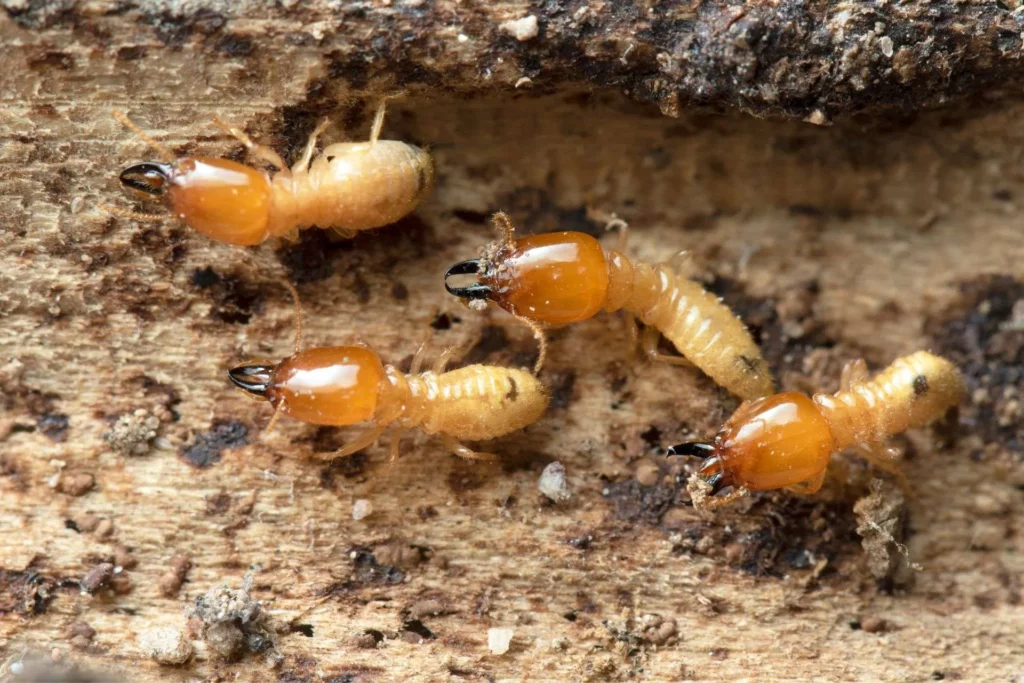
Worker termites are responsible for the majority of destructive activities, as they forage for wood and other cellulose materials. Understanding this life cycle helps property owners recognize when an infestation might occur and the urgency of termite control. Furthermore, the nymph stage is particularly interesting, as these young termites can develop into either workers or reproductive adults, depending on the needs of the colony and environmental cues. This flexibility allows colonies to adapt and thrive, making them even more resilient against control efforts.
Common Types of Termites in Sydney
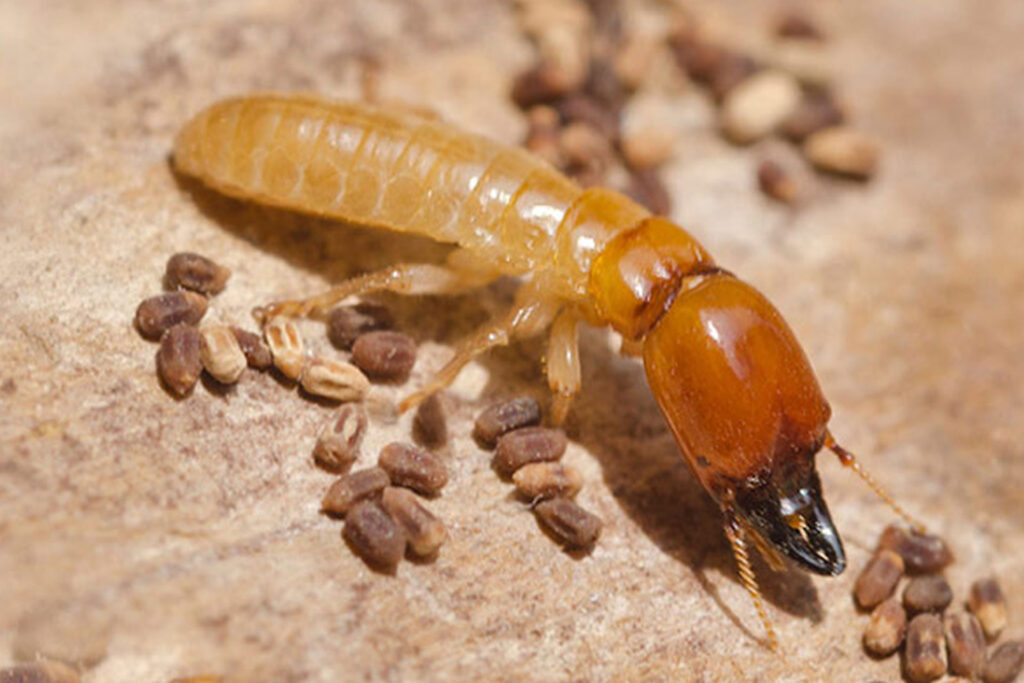
In Sydney, several termite species are prevalent, including the Eastern Subterranean termite, the Formosan termite, and the Drywood termite. Each of these species differs in terms of behavior and the type of damage they cause.
The Eastern Subterranean termite is primarily responsible for most infestations due to their nests being underground and their ability to travel over long distances. The Formosan termite is known for its aggressive foraging behavior and ability to cause significant destruction in a short period. Lastly, Drywood termites live in the wood they consume, making them particularly challenging to detect. In addition to these species, it’s worth noting that the presence of moisture and wood-to-soil contact can attract these pests. Homeowners should be vigilant, as even minor leaks or poorly maintained gutters can create conditions that invite termite activity. Regular inspections and preventative measures, such as using treated wood and maintaining proper drainage, are essential strategies for safeguarding homes against these destructive pests.
The Impact of Termites on Property
The consequences of termite infestations extend beyond the initial infestation itself and can lead to significant damage and financial burden for property owners. Understanding these implications can motivate effective preventative measures.
Structural Damage Caused by Termites
Termites primarily feed on cellulose, which is found in wood and wood products. As they consume wood inside walls, beams, and flooring, they cause structural weaknesses that may not be immediately visible. Over time, this can lead to sagging floors, cracked walls, and even the collapse of critical structures.
By the time visible signs of damage appear, the infestation may have progressed extensively, raising the cost of repairs. Property owners must recognize that early detection is crucial to preserving their investments. Regular inspections and monitoring can help identify potential problems before they escalate, allowing for timely intervention. Additionally, understanding the specific types of termites prevalent in a region can aid in tailoring preventative strategies, such as using treated wood or installing physical barriers to deter these pests.
Financial Implications of Termite Infestations
The financial burden of dealing with a termite infestation can be significant. Repair costs for damaged structures can range from thousands to tens of thousands of dollars, depending on the severity of the damage. Additionally, the costs associated with professional pest control services can also be quite high.
In some cases, infestations may lead property owners to lose their homes’ value or face challenges during property sales. Termite-related issues can deter potential buyers, as many individuals are wary of purchasing properties with a history of infestations. Furthermore, insurance policies may not cover termite damage, leaving homeowners to bear the full brunt of the financial repercussions. This can create a cycle of stress and anxiety, particularly for those who may already be struggling with other financial obligations. It is essential for property owners to not only invest in preventative measures but also to educate themselves about their insurance coverage and potential financial cinfestations.
The Importance of Regular Termite Inspections
Regular termite inspections are vital for property owners to mitigate risks associated with termites. These inspections help detect early signs of infestations before they escalate into severe issues. The cost of repairing termite damage can be exorbitant, often running into thousands of dollars, which makes proactive measures essential for safeguarding your investment.
Identifying Signs of a Termite Infestation
Property owners should familiarize themselves with the common signs of termite infestations, including mud tubes along the foundation, discarded wings, hollow-sounding wood, and frass (termite droppings). Regularly checking for these signs can aid in early detection, allowing for prompt action. It’s also beneficial to inspect areas that are prone to moisture, such as basements and crawl spaces, as termites are attracted to damp environments.
Furthermore, many times, infestations may go unnoticed until significant damage occurs. Educating oneself about these signs can empower property owners to take action quickly, thus preventing further destruction. Additionally, seasonal changes can influence termite behavior; for instance, during warmer months, termites are more active and may swarm, making it crucial to remain vigilant during these periods. Read more about signs of termite infestations at https://www.pubs.ext.vt.edu/content/dam/pubs_ext_vt_edu/444/444-501/444-501_pdf.pdf
The Role of Professional Pest Inspectors
Professional pest inspectors are trained to identify the early signs of termite activity that may not be evident to the untrained eye. They utilize specialized equipment, including moisture meters and thermal imaging, to detect hidden infestations. These tools allow inspectors to see beyond the surface, identifying potential problem areas that could lead to significant damage if left unchecked.
By hiring a professional, property owners can ensure a thorough inspection, allowing for targeted treatments. Regular inspections can make a significant difference in maintaining the integrity of the property and preserving its value. Moreover, many pest control companies offer preventative treatments that can be applied after an inspection, creating a protective barrier against future infestations. This proactive approach not only saves money in the long run but also provides peace of mind for homeowners, knowing their property is safeguarded against these destructive pests.
Termite Pest Control Methods
Several effective methods exist for controlling termite populations. Property owners can choose between chemical treatments and non-chemical alternatives based on their preferences and the severity of the infestation. Understanding the life cycle and behavior of termites can also aid in selecting the most appropriate method, as different species may respond better to specific control strategies.
Chemical Treatments for Termite Control
Chemical treatments typically involve the use of liquid pesticides or baiting systems. Liquid pesticides are applied to the soil around the property to form a barrier that repels or kills termites. This method is often effective in preventing new infestations from occurring. It’s important to note that these treatments should be applied by licensed professionals to ensure safety and effectiveness, as improper application can lead to environmental contamination or harm to non-target species.
Baiting systems, on the other hand, involve strategically placing bait stations around the property. Termites feed on the bait, which contains slow-acting toxins, eventually leading to the colony’s demise. This method not only targets the existing termite population but can also disrupt the reproductive cycle of the colony. Chemical treatments can be tailored to specific needs, and professional pest control companies can recommend the most effective solutions based on the infestation’s context. Additionally, advancements in technology have led to the development of more targeted and less harmful chemical formulations, making it possible to manage termite populations with minimal impact on the surrounding ecosystem.
Non-Chemical Termite Control Techniques
Non-chemical methods for controlling termites include physical barriers, such as steel mesh or sand barriers, and biological controls, which use natural predators to reduce termite populations. Additionally, ensuring proper drainage around the property and minimizing wood-to-ground contact can further deter termites from establishing an infestation. Regular inspections and maintenance of wooden structures can also help identify potential vulnerabilities before they become major problems.
Natural treatments such as nematodes or beneficial microorganisms are also gaining popularity as eco-friendly alternatives to chemical pesticides. These organisms can be introduced into the soil to target termites specifically, providing a biological solution that aligns with sustainable pest management practices. Furthermore, incorporating practices like using treated wood or naturally resistant materials in construction can significantly reduce the likelihood of termite infestations. As awareness of environmental issues grows, many homeowners are exploring these non-chemical options, recognizing that a proactive approach can save both money and resources in the long run. To learn more about controlling pests without chemical use click here.
Preventive Measures Against Termites
Prevention is always better than dealing with a full-blown infestation. Property owners can implement various proactive measures to reduce the likelihood of termites entering their homes.
Building Design Considerations to Prevent Termites
When constructing a new property, specific design elements can help protect against termites. Using materials not prone to termite infestations, such as steel or concrete, can significantly minimize risks. Additionally, designing the property to facilitate ventilation reduces moisture accumulation, which termites seek.
Moreover, avoiding direct wood-to-soil contact in building designs can further reduce the likelihood of an infestation. Incorporating features such as attics and basements with proper sealing can also limit entry points for termites. It’s also beneficial to install physical barriers, like stainless steel mesh or sand barriers, which can serve as an additional deterrent against these pests. These barriers can be particularly effective when placed around the foundation of the home, creating an unwelcoming environment for termites attempting to breach the structure.
Regular Maintenance to Keep Termites at Bay
Regular property maintenance plays a critical role in termite prevention. Property owners should routinely inspect and maintain gutters and downspouts to prevent water build-up, which promotes humid conditions ideal for termite activity.
Furthermore, ensuring that trees and shrubs are trimmed away from the property and regularly checking for damaged wood or moisture issues can help in maintaining a termite-free environment. Creating an awareness about potential infestations can significantly decrease the incidence of infestations and their associated damages. It’s also wise to conduct annual inspections by a professional pest control service, as they can identify early signs of termite activity that may go unnoticed by the untrained eye. These inspections can include checking for mud tubes, which are a common sign of termite presence, and assessing the condition of wooden structures to ensure they remain intact and free from decay.
In addition to these measures, homeowners should also consider the landscaping around their property. Using mulch made from materials that are less appealing to termites, such as rubber mulch or gravel, can help deter these pests. Furthermore, ensuring that any wood piles or compost heaps are stored away from the house can reduce the chances of termites finding their way indoors. By combining thoughtful design, regular maintenance, and strategic landscaping, property owners can create a robust defense against termite infestations.
Related : When to Schedule a Termite Inspection in Sydney to Protect Your Home