The key point is simple: emergencies move fast. The right response needs to move faster.
What counts as a pest control emergency?
Situations requiring 24/7 Pest Control support typically involve urgent risks to health, safety, food hygiene, or the structure of a building. A pest problem is an emergency when there is rapid activity, direct contact with people, or visible signs of damage that can worsen overnight.
Common examples include a wasp nest near a doorway, rats in a kitchen, bed bugs spreading through a home, or a sudden swarm of flies in a food business. If people are at risk, or a property is being actively damaged, it is urgent.
Why do pests become more dangerous outside normal working hours?
Night-time and weekends are when many pests are most active, and when issues are easiest to miss until they get worse. Rodents often forage after dark, cockroaches thrive in quiet kitchens, and wasps can become aggressive when disturbed.
There is also a practical risk: fewer staff on site, slower reporting, and limited access to suppliers. A small incident can spread into multiple rooms, contaminate stock, or trigger closures before anyone can intervene.
How does 24/7 response reduce health risks?
Fast attendance reduces exposure time. That matters for bites, allergic reactions, asthma triggers, and contamination from droppings, urine, shed skins, or insect parts.
In homes, it can protect children, older people, and pets who are more vulnerable. In workplaces, it can reduce the chance of staff handling hazards incorrectly, such as cleaning rodent droppings without proper precautions or using off-the-shelf chemicals in unsafe ways.
Why is rapid pest control critical for food businesses?
Food sites live and die by hygiene control. One sighting can lead to stock loss, failed audits, customer complaints, or regulatory action, especially if pests are active in prep areas.
A 24/7 service helps businesses act immediately, isolate affected zones, and start treatment before the next service period. That quick action also supports documentation, which is often essential for inspections and insurance claims.
What damage can spread overnight if no one responds?
Some pests cause “silent” damage that accelerates quickly. Rats and mice can chew wiring and insulation, creating fire risks. Wasps can expand nest activity in warm periods. Fleas and bed bugs can spread through soft furnishings fast, especially in multi-occupancy buildings.
Even when the pest is not destructive, the secondary costs can snowball: emergency cleaning, replacement of contaminated goods, blocked rooms, disrupted operations, and reputational harm.
How does 24/7 pest control help prevent panic decisions?
When people feel stuck, they often attempt DIY fixes that backfire. They may use the wrong product, apply it unsafely, or scatter pests into harder-to-reach areas.
Round-the-clock access to professionals means they can get calm instructions immediately, keep people away from risk areas, and avoid actions that make treatment longer and more expensive.
What should they do while waiting for an emergency pest technician?
They should prioritise safety and containment. If there is an immediate threat, such as aggressive wasps, they should keep people away, close doors, and avoid disturbing the area.
For rodents or insects in kitchens, they should isolate food, seal what they can, and avoid sweeping droppings or dusting contaminated areas. Photos and notes help too, as they can show entry points, droppings, or nesting signs that guide a faster fix.
How can they choose the right 24/7 pest control provider?
They should look for clear emergency call handling, transparent pricing, and technicians who can attend quickly with the right equipment. For businesses, evidence of compliant methods, treatment reports, and follow-up plans matters.
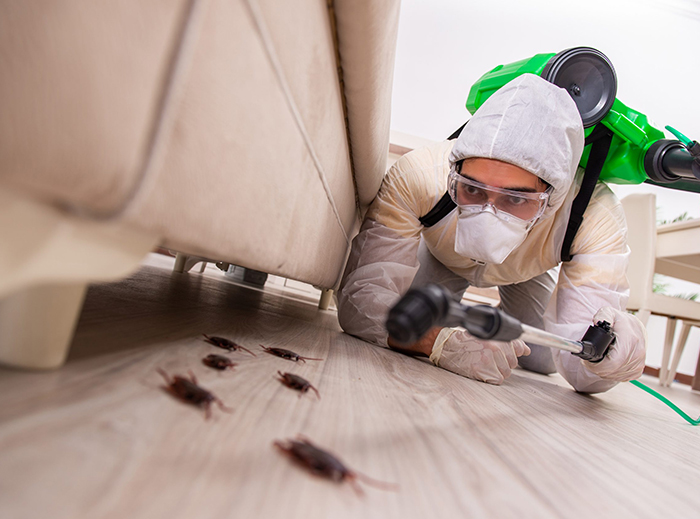
It also helps to check what “24/7” truly means. The best providers offer real out-of-hours attendance, not just a voicemail and a next-day visit.
Why does emergency cover still matter if they already have routine pest control?
Routine contracts are great for prevention, but they cannot predict every sudden incident. A new entry point, a neighbouring infestation, a one-off delivery issue, or extreme weather can trigger emergency activity.
Emergency cover fills the gap between scheduled visits. It ensures they can act immediately and then return to prevention once the immediate risk is controlled.
What is the bottom line on 24/7 pest control for emergencies?
Pest emergencies are about speed, risk, and knock-on costs. A 24/7 pest control service helps protect health, reduce damage, and keep homes and businesses functioning when problems appear at the worst possible time.
When pests do not keep to a timetable, neither should the response.
FAQs (Frequently Asked Questions)
What qualifies as a pest control emergency requiring immediate attention?
A pest control emergency involves situations where pests threaten health, safety, food hygiene, or the structural integrity of a building. Examples include wasp nests near entry points, rats in kitchens, bed bugs spreading rapidly, or sudden swarms of flies in food businesses. Urgency arises when people are at risk or property damage is actively occurring.
Why are pests often more dangerous outside of normal working hours?
Pests such as rodents and cockroaches tend to be more active at night and during weekends when fewer staff are present to notice early signs. This inactivity in monitoring allows infestations to worsen unnoticed, increasing risks like contamination, property damage, and delayed response times due to limited access to suppliers and personnel.
How does 24/7 pest control service help reduce health risks associated with pests?
A rapid 24/7 response limits exposure time to harmful pests and their byproducts like droppings and shed skins that can trigger allergic reactions, asthma, and contamination. Prompt intervention protects vulnerable groups such as children, elderly individuals, pets at home, and prevents unsafe handling practices in workplaces that could exacerbate health hazards.
Why is immediate pest control critical for maintaining hygiene in food businesses?
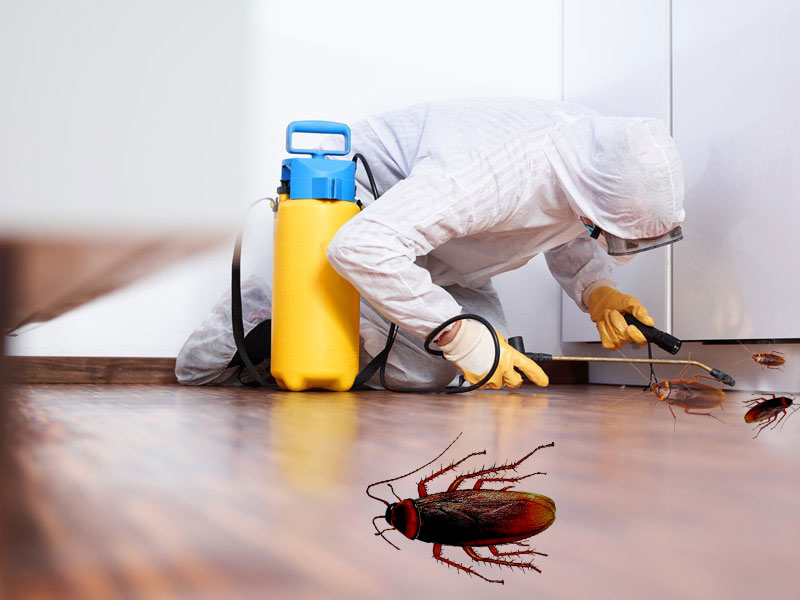
Food businesses rely heavily on strict hygiene standards. The presence of pests can lead to stock contamination, failed health audits, customer complaints, regulatory penalties, and potential closures. A 24/7 pest control service enables swift isolation of affected areas and treatment initiation before routine service hours, supporting compliance documentation essential for inspections and insurance claims.
What types of damage can escalate overnight if pest issues are not promptly addressed?
Certain pests cause rapid ‘silent’ damage; for instance, rodents may chew electrical wiring causing fire hazards, wasps can expand nests quickly during warm periods, and bed bugs or fleas can spread extensively through furnishings. Additionally, secondary costs like emergency cleaning, replacement of contaminated goods, operational disruptions, and reputational harm can multiply without timely intervention.
How does having access to 24/7 professional pest control prevent ineffective DIY attempts?
Immediate access to expert advice deters panic-driven DIY methods that often worsen infestations through misuse of products or scattering pests into inaccessible areas. Professionals provide calm guidance on safety measures while ensuring effective containment strategies are implemented promptly to avoid prolonging treatment duration and increasing costs.
See Also: Pest control services in Sydney: annual plans vs one-off treatments.